Quotation gallery
Learning is finding out what you already know. Doing is demonstrating that you know it. Teaching is reminding others that they know it just as well as you. You are all learners, doers, teachers.
Visit to the Kyzylorda Region: Focus on Agricultural Genomics
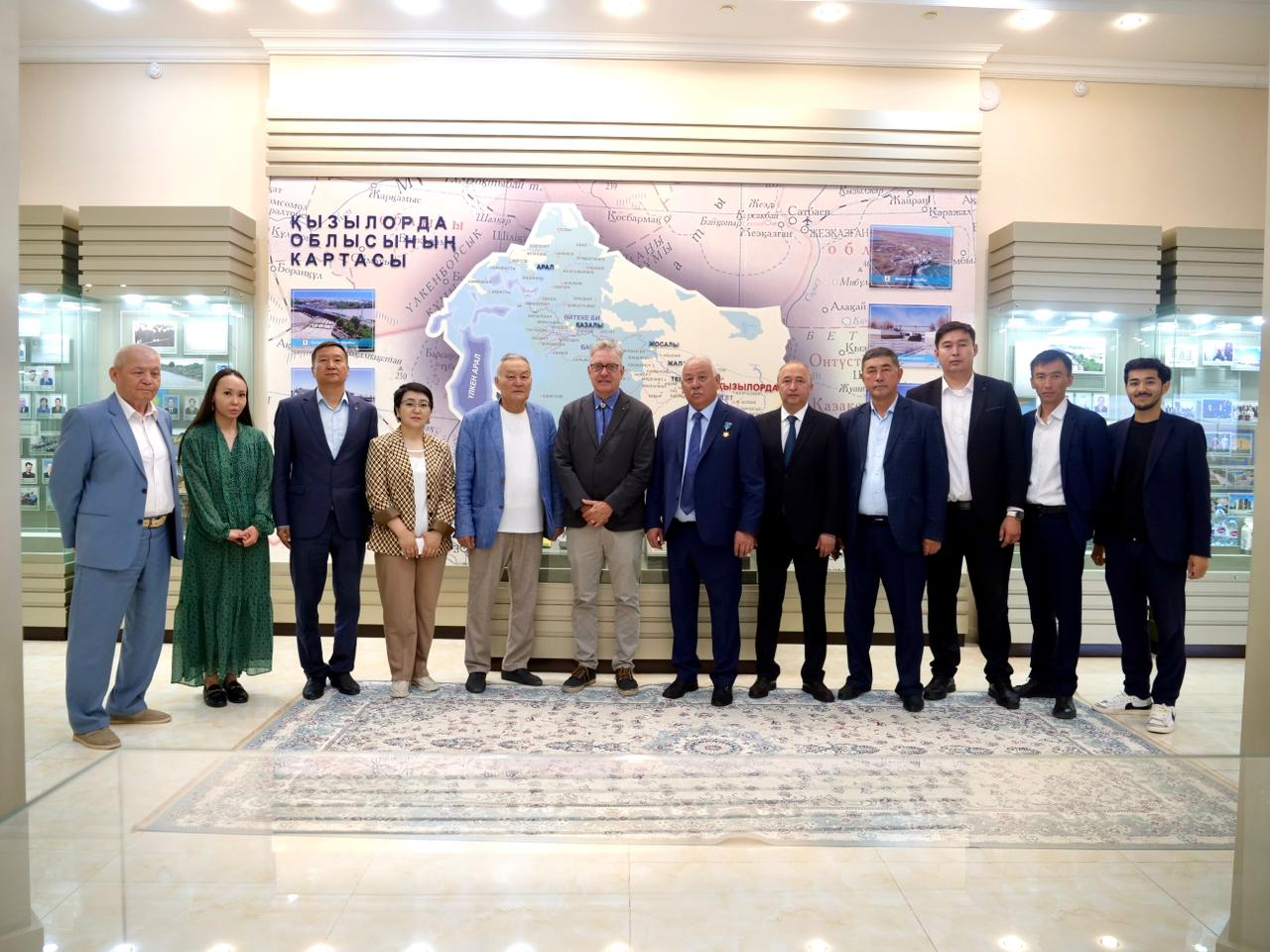
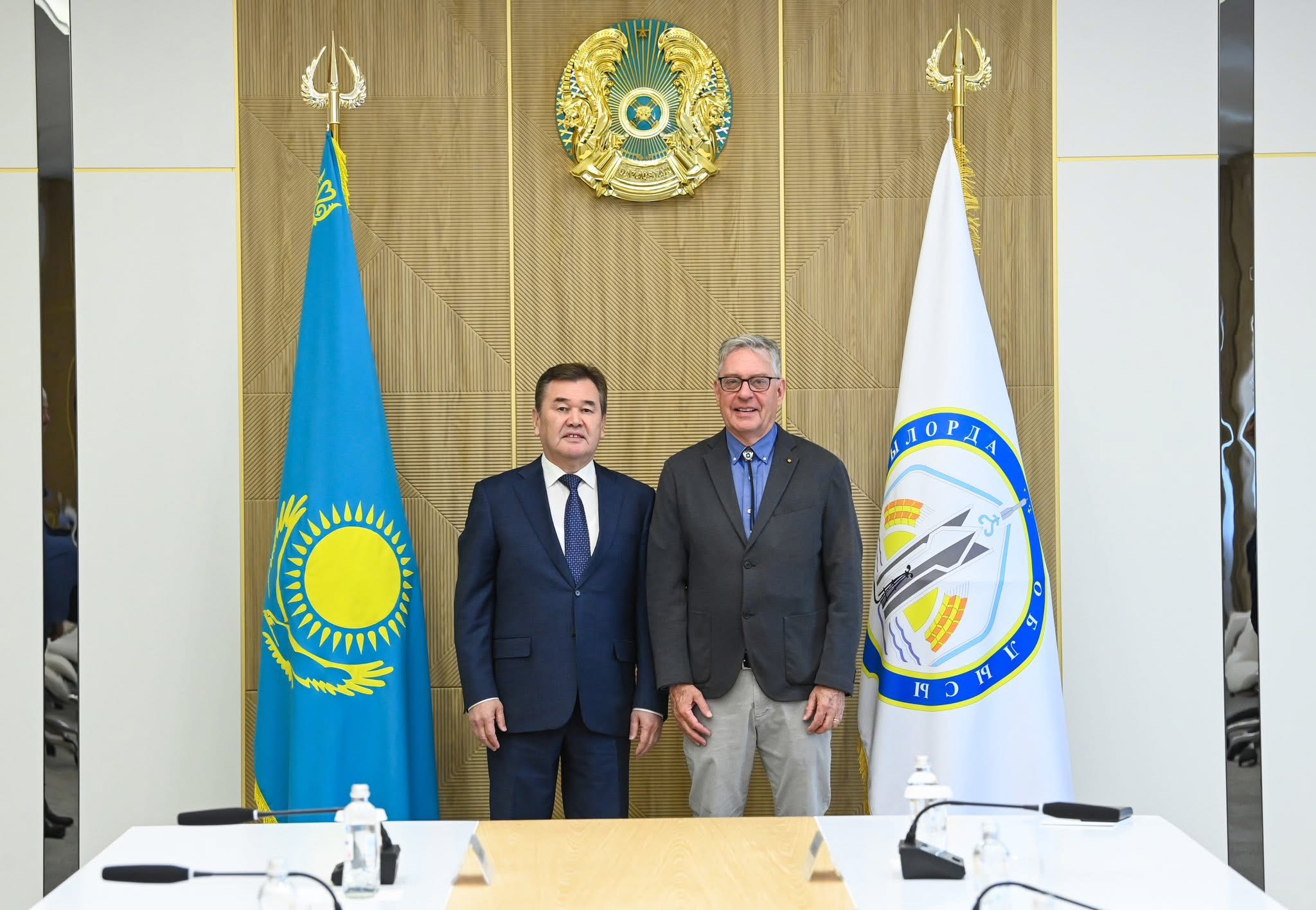
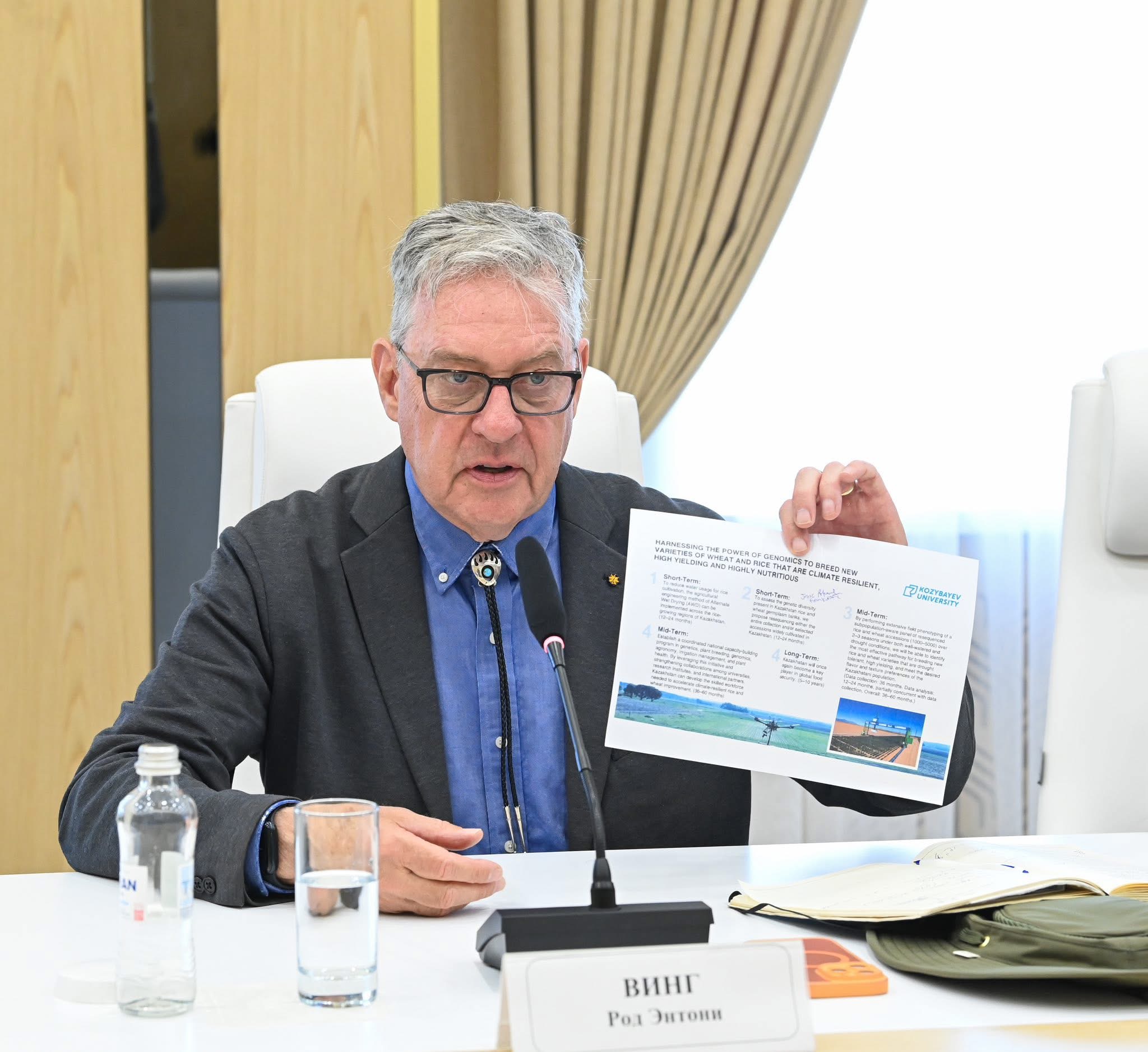
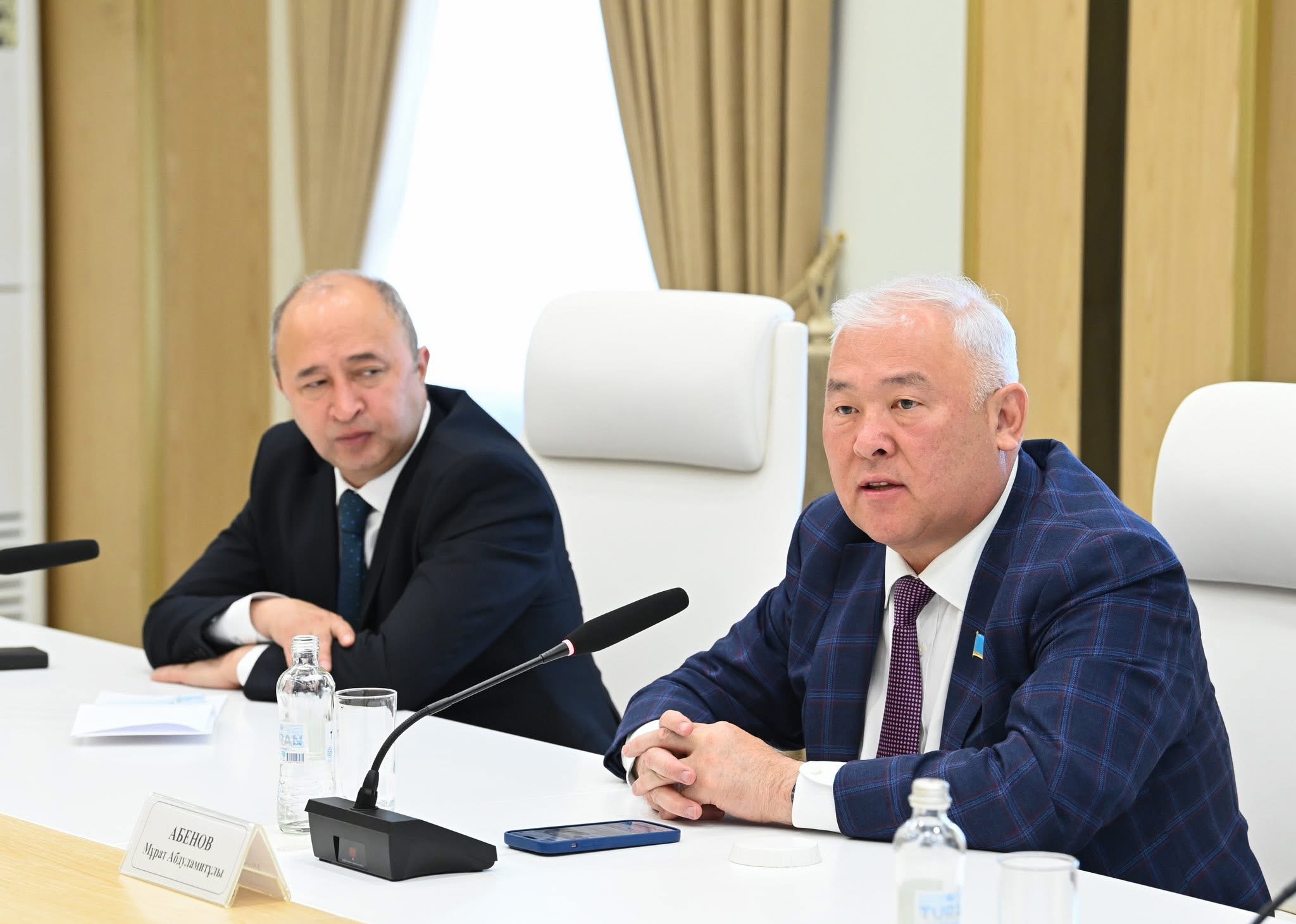
Around 90% of Kazakhstan’s total rice production comes from the Kyzylorda region, with 35–40% of the output being exported. During a meeting with the Akim of the region, Murat Yergeshbayev, and Mazhilis Deputy Murat Abenov, Chairman of the Executive Board - Rector Yerbol Issakayev of Kozybayev University and Professor Rod A. Wing, Director of the Arizona Genomics Institute (AGI), discussed the development of agricultural genomics and the implementation of modern genomic technologies in rice cultivation.
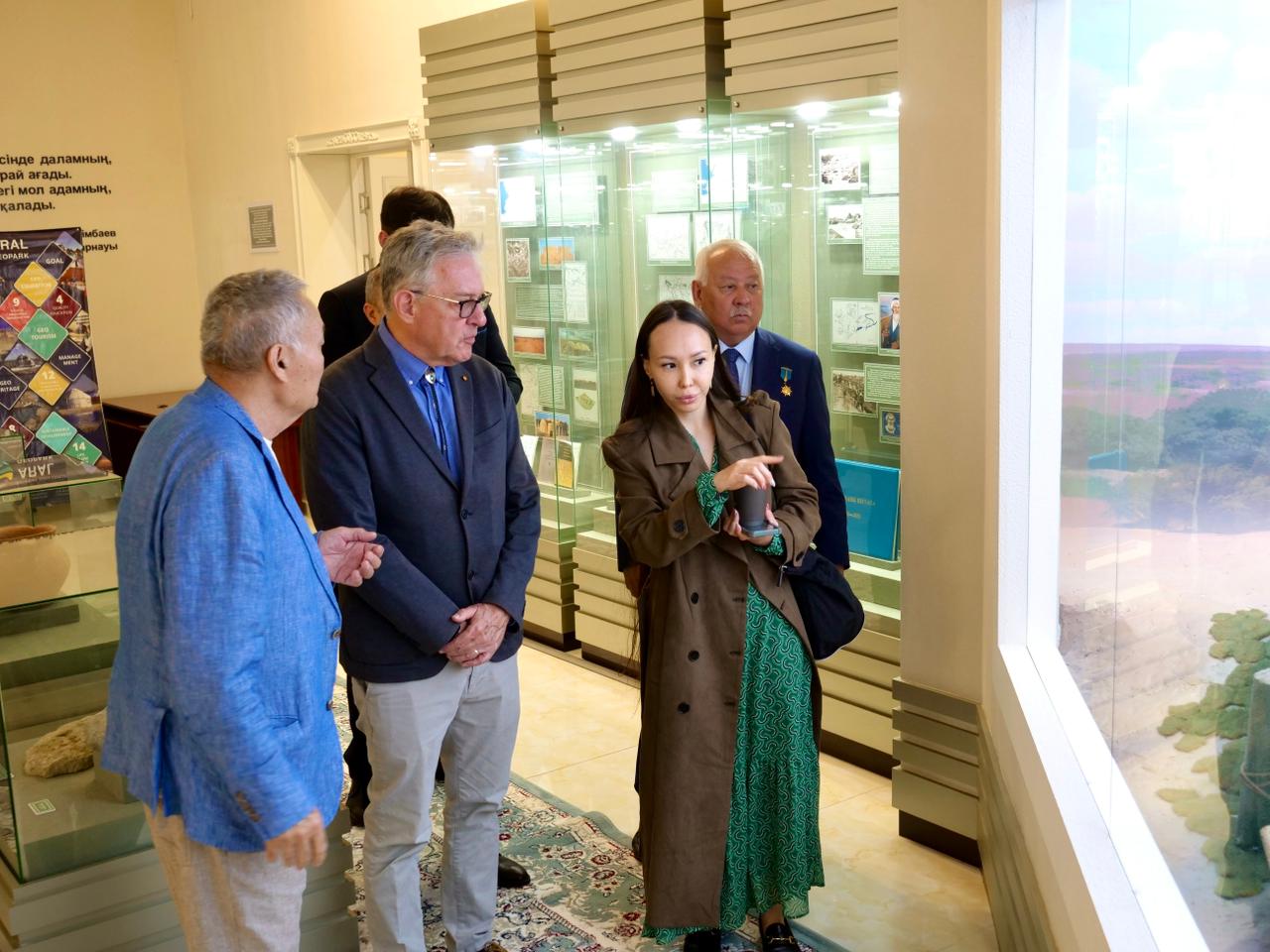
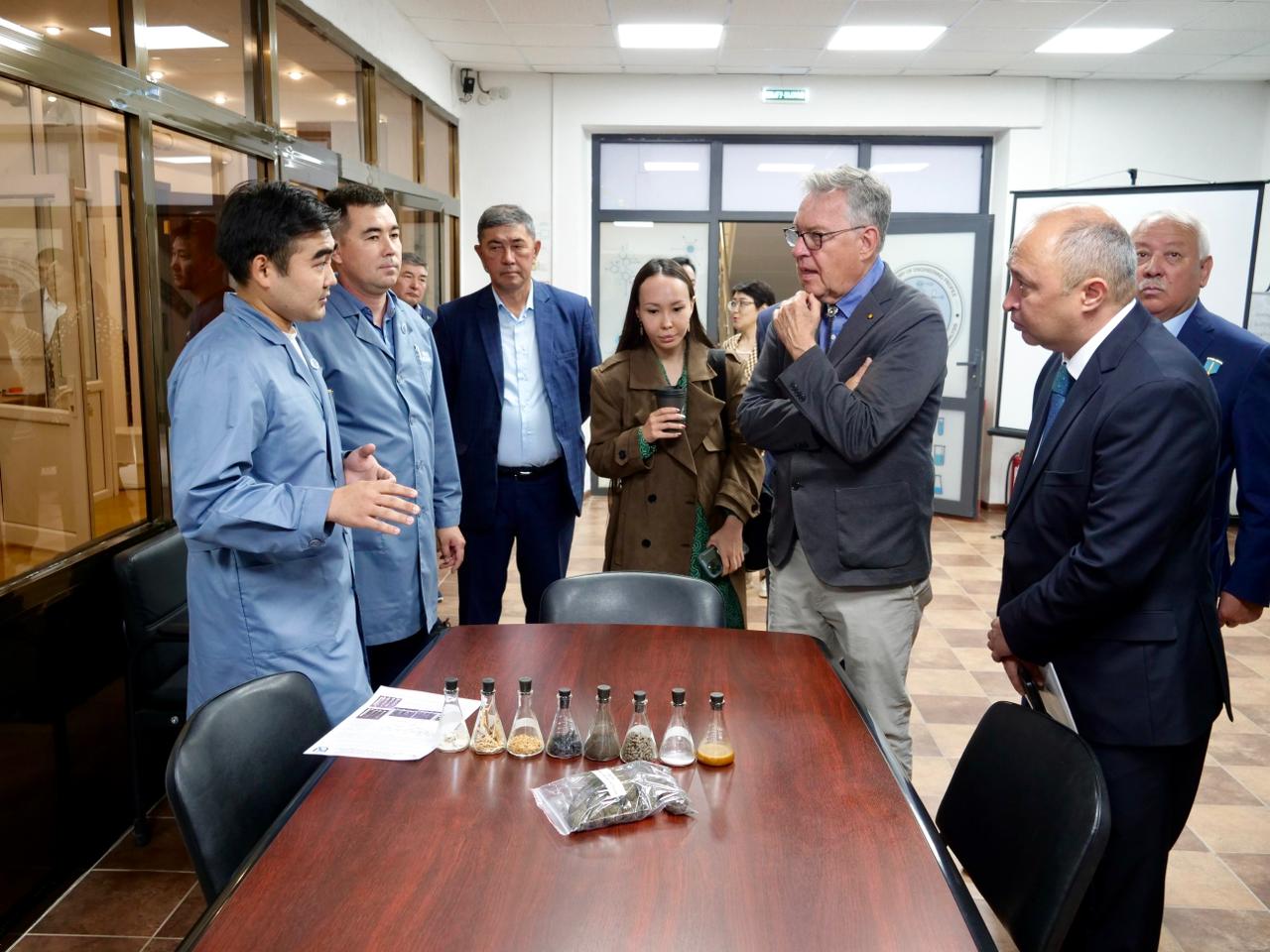
As part of the visit, they also toured Korkyt Ata Kyzylorda University, where they ознакомились with the university’s research potential, as well as several major agricultural enterprises in the region, including the “Abzal and K” rice processing plant and the “Magzhan and K” partnership.
Today, the region is facing particularly pressing challenges related to expanding the cultivation of crops adapted to drought and saline soils, as well as varieties with shorter growing seasons.
To address these large-scale challenges, together with the Kazakh Research Institute of Rice Growing, we plan to:
• create a complete genomic database of Kazakh rice varieties;
• identify varieties best adapted to saline soils and water scarcity in the Kyzylorda region;
• study markers of resistance to drought, salinity, and diseases;
• reduce the development period for new varieties from 10–12 years to 5–7 years through genomic selection.
At the second stage of the project, the installation of a special accelerator greenhouse for rapid rice cultivation is planned.
In addition, we are ready to build joint cooperation in training qualified specialists for the agro-industrial sector.
- The issue of training school graduates from the Kyzylorda region through dual-degree biotechnology programs with the University of Arizona is being considered;
- Attracting school students to agricultural specialties and dual-degree programs through the “Serpin” program;
- Bolashak internships at the Arizona Genomics Institute for specialists from the Kazakh Research Institute of Rice Growing and Korkyt Ata Kyzylorda University.
Such a model, where international partnerships are transformed into technologies for solving specific regional challenges, can bring real benefits to Kazakhstan’s agricultural sector and strengthen the country’s food security.