Quotation gallery
The eye sees only what the mind is prepared to comprehend.
THE FIRST SCHOOL OF GENOMICS AND BIOINFORMATICS IN CENTRAL ASIA HAS STARTED ITS WORK
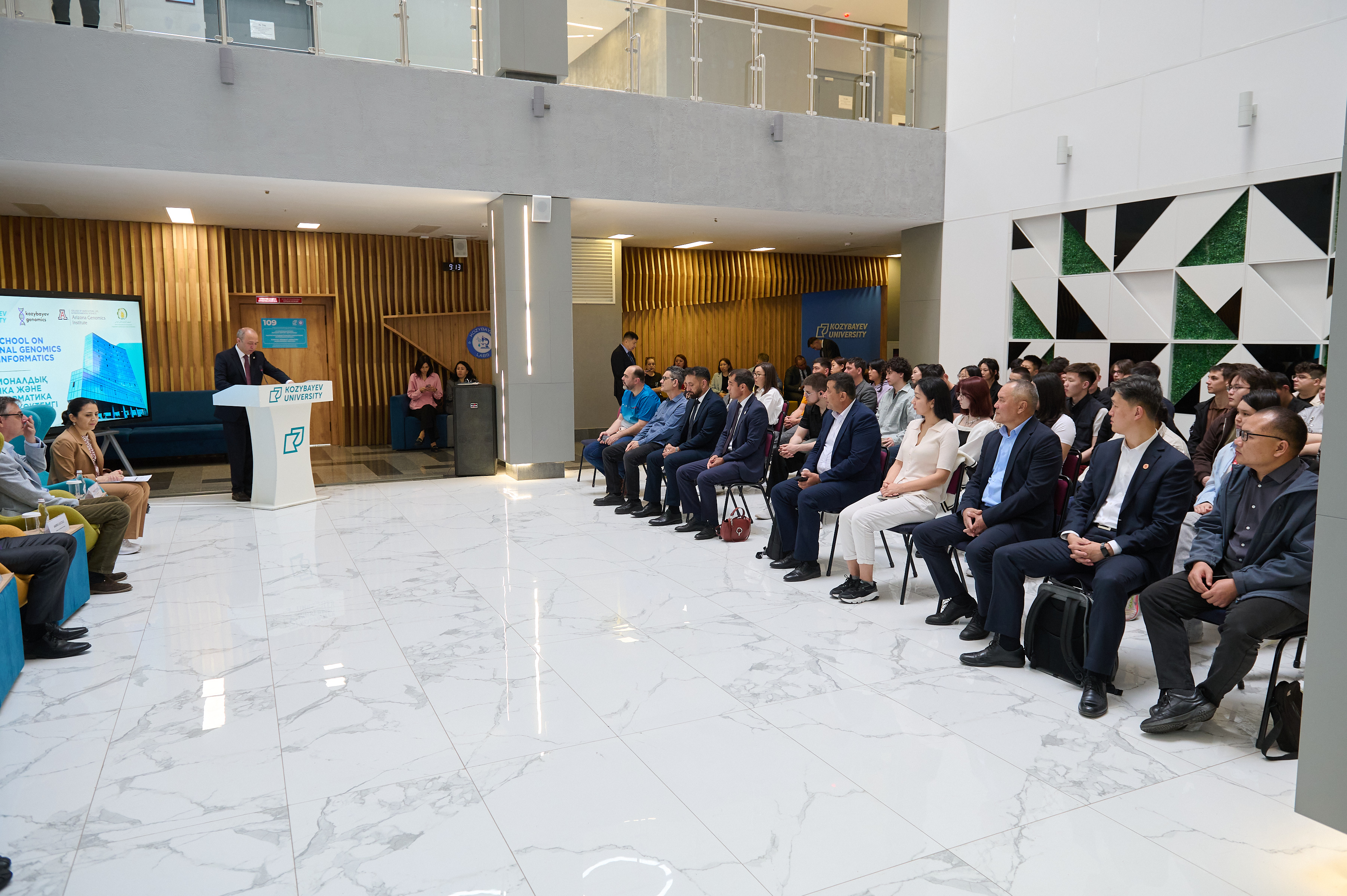
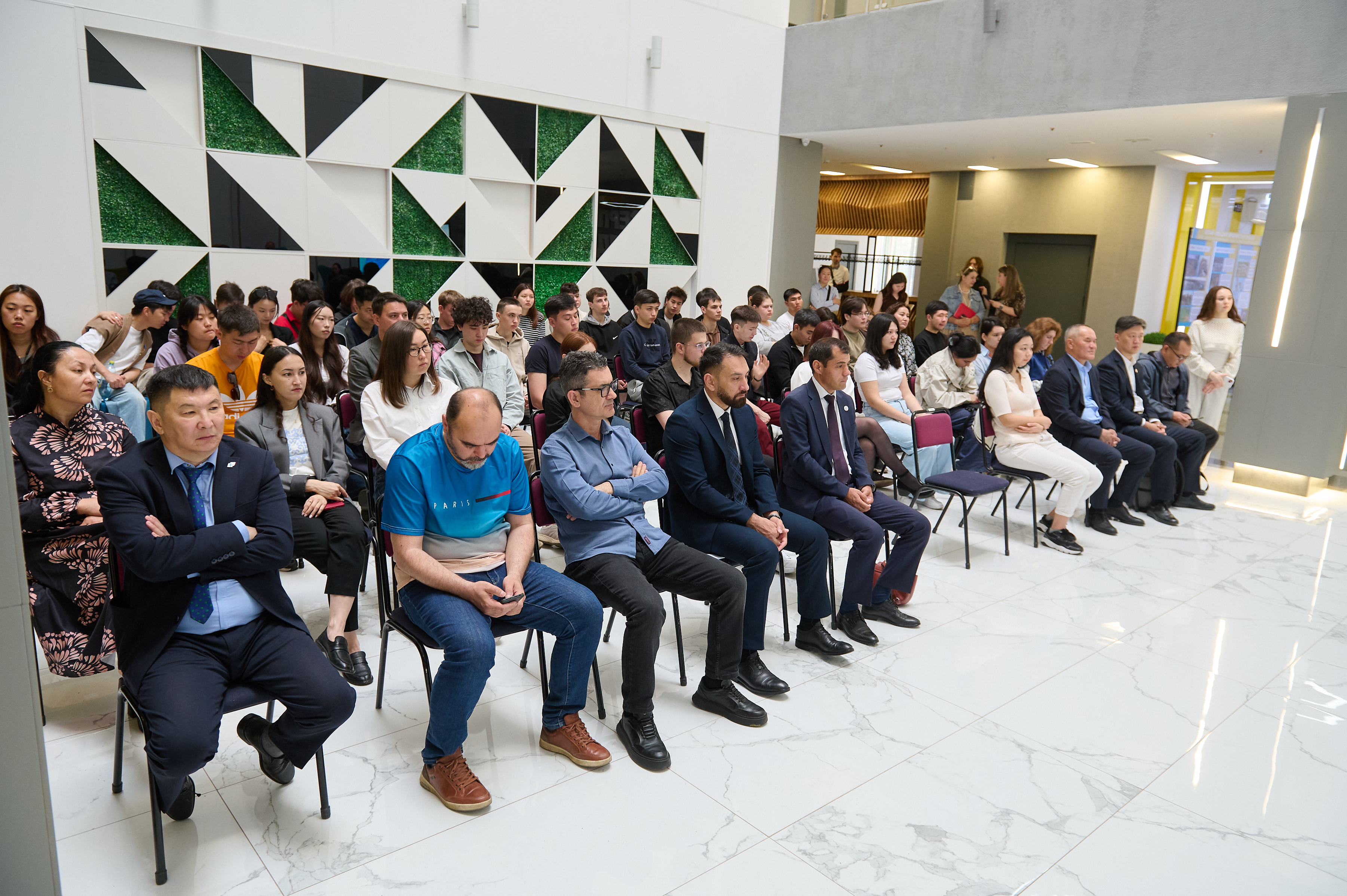
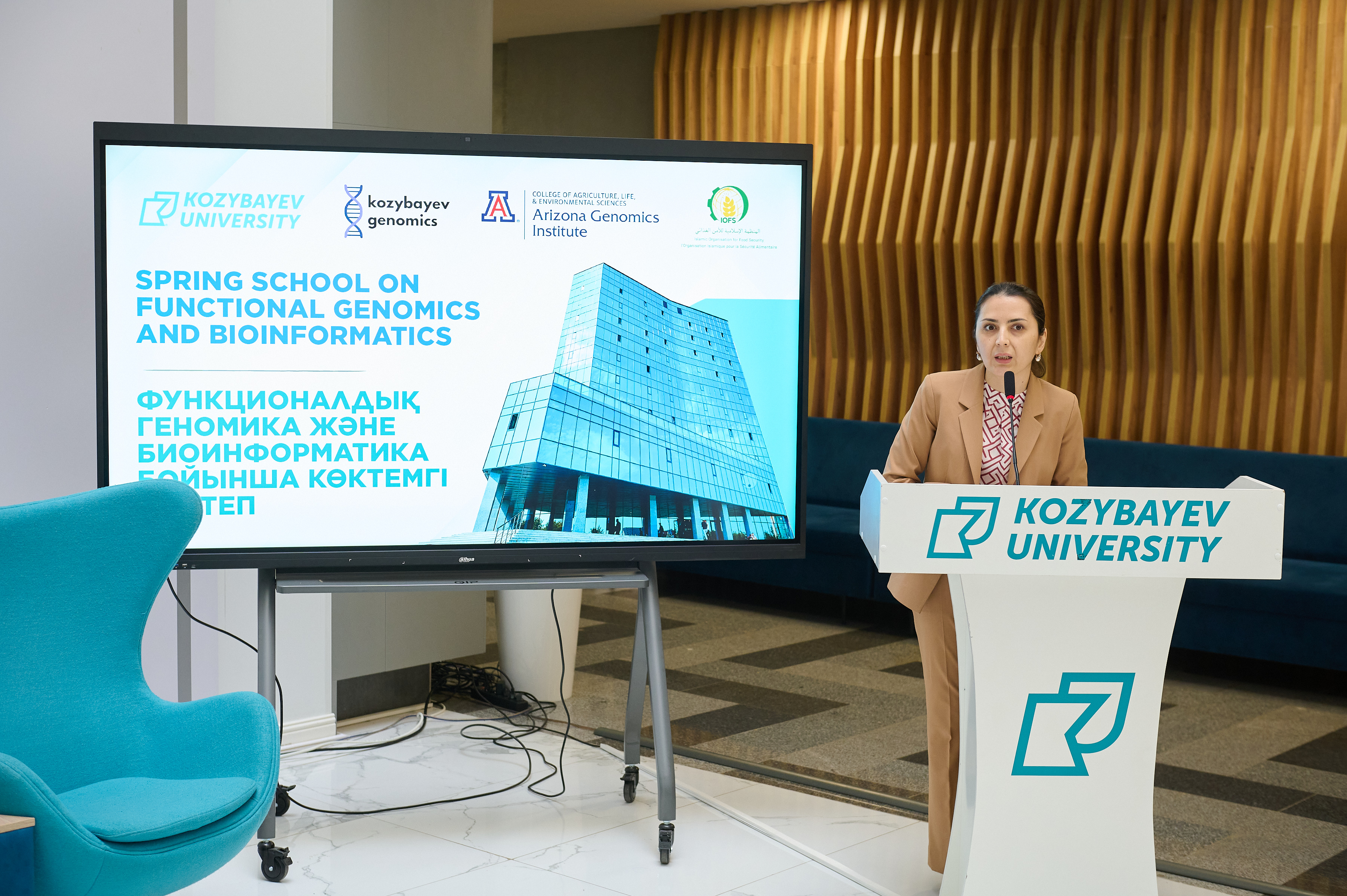
For the second consecutive year, the School of Functional Genomics and Bioinformatics at Kozybayev University has opened its doors to young researchers. Over this time, it has established itself as a major regional platform focused on working with modern genomic datasets and acquiring practical skills using various genome sequencing platforms.
This year, the event is organized by the Agro Competence Center of Kozybayev University in cooperation with the Arizona Genomics Institute (USA).
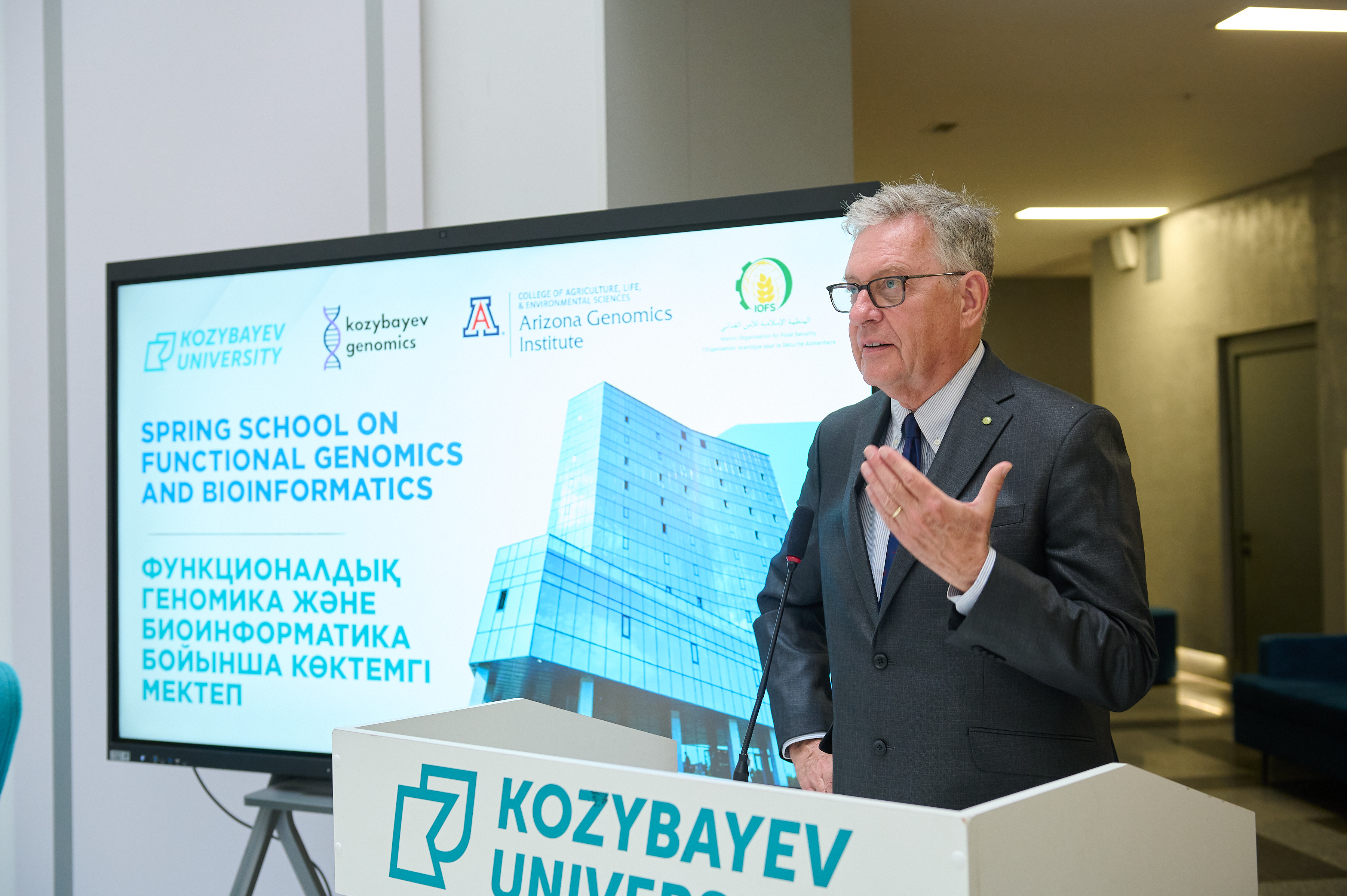
“Food security is an integral foundation of national security. New genomic methods can help Kazakhstan accelerate the breeding of new domestic rice and wheat varieties adapted to the specific climatic and soil conditions of the country’s regions,” noted Professor Rod A. Wing, Director of the Arizona Genomics Institute.
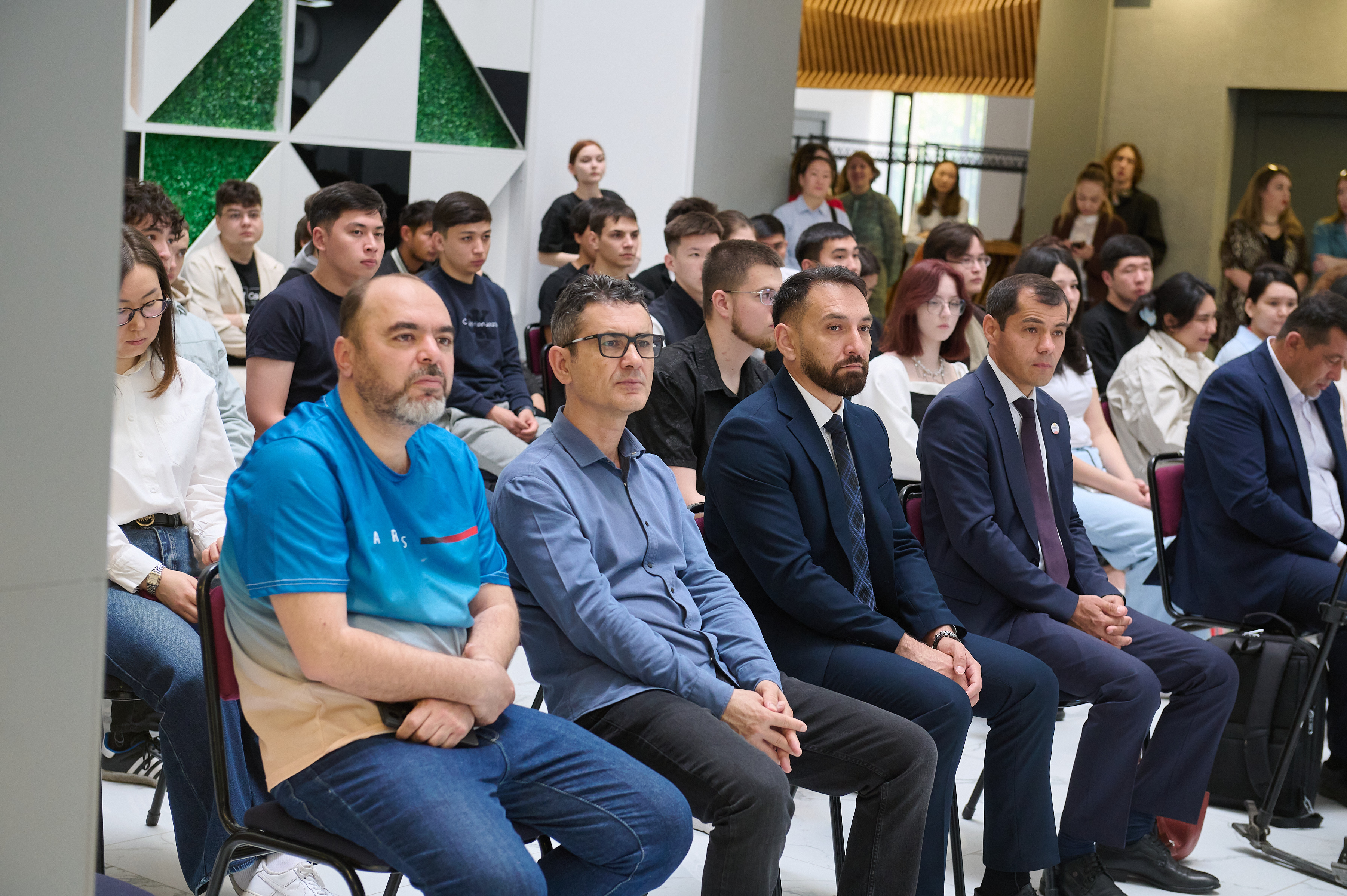
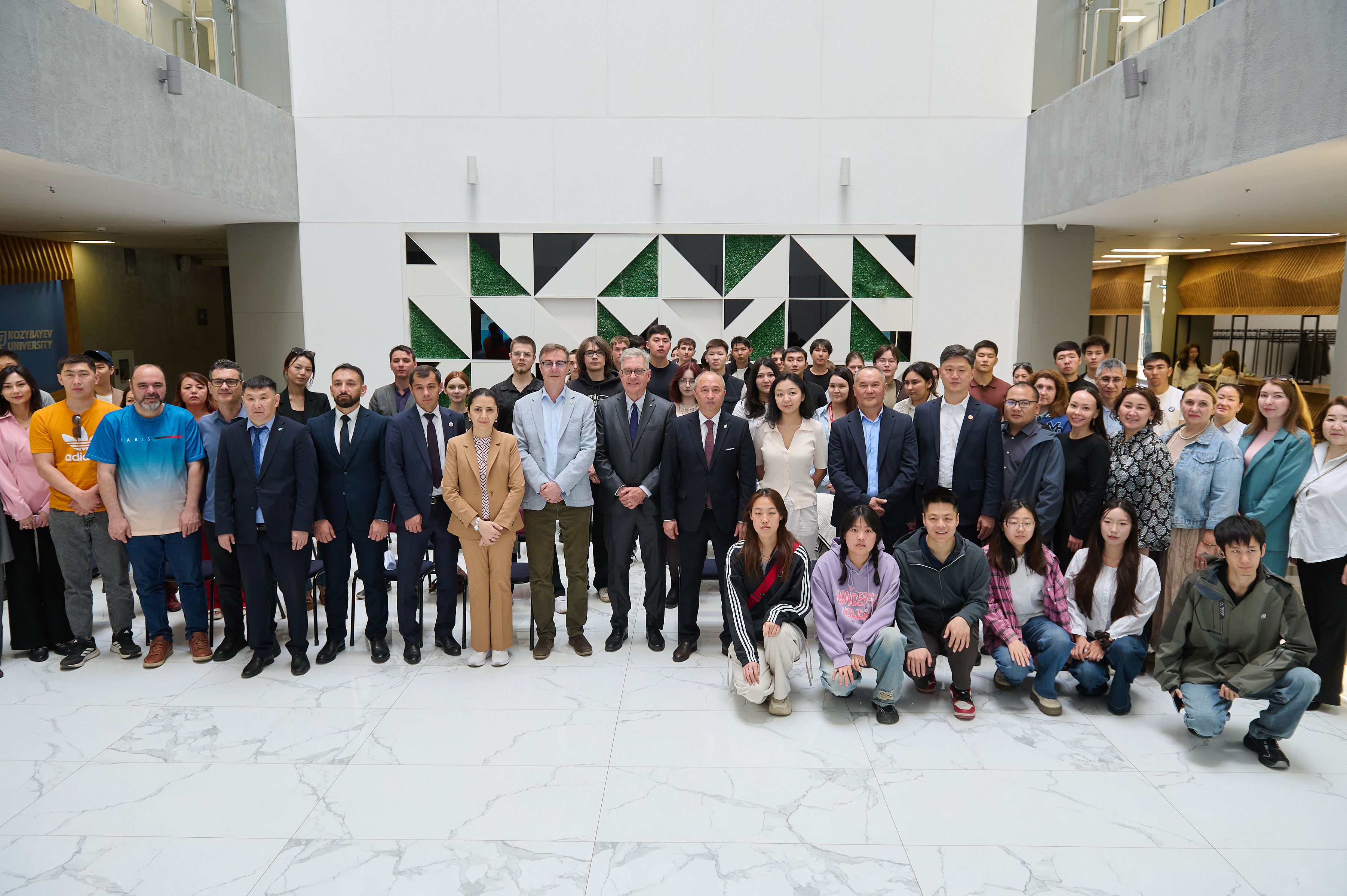
Fourteen researchers from Kazakhstan, Azerbaijan, Kyrgyzstan, Uzbekistan, Tajikistan, and Saudi Arabia will undergo training at the School.
“Today, I represent the development program for strategic crops — rice and wheat. Thanks to the initiative of the Agro Competence Center of Kozybayev University and the University of Arizona, we have the opportunity to invite representatives from the member states of the Islamic Organization for Food Security. This is a unique case, because within the framework of the strategic crops program we have the opportunity to study the experience being implemented in Kazakhstan in order to expand these initiatives not only within the country, but also beyond its borders,” said Shakhlo Atabaeva, Program Manager at the Islamic Organization for Food Security.
The course is designed for 5 days and consists of several modules on the assembly and annotation of bacterial and eukaryotic genomes, working with genomic browsers, and genomic data analysis. Each day includes 4 hours of lectures and 4 hours of practical sessions.
The School’s work is focused on crops strategically important for the country — wheat and rice. Researchers will work on transforming breeding approaches and improving the performance of these agricultural crops. Currently, the Agro Competence Center, together with international partners, is developing an algorithm for implementing genomic selection technologies in rice, wheat, and corn projects, taking into account the needs of specific regions of Kazakhstan.
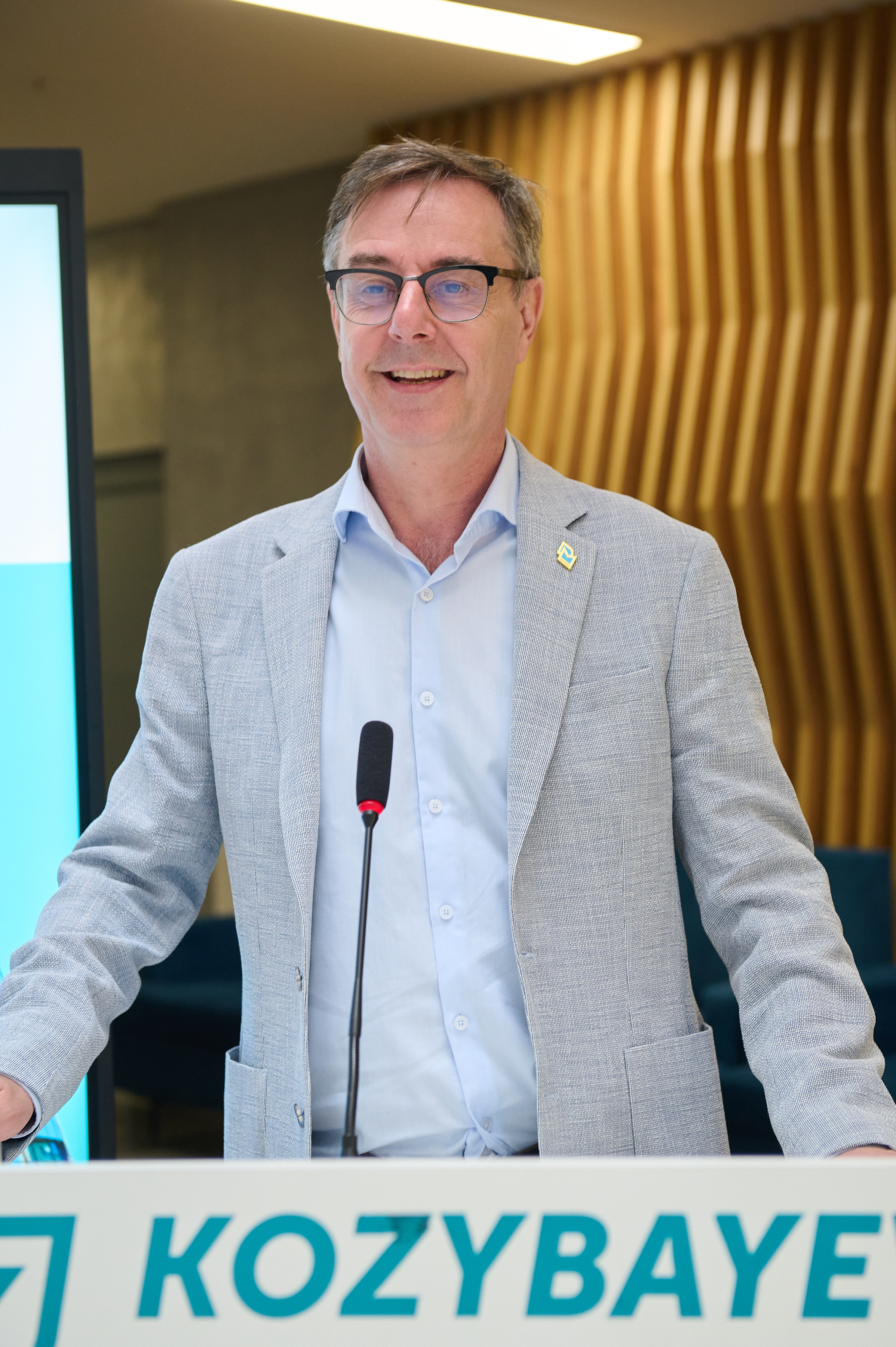
The lecturers include world-renowned scientists in the field of genetics. Among them is Professor Rod A. Wing, a leading geneticist known for his research on plant genomes, especially rice and other agricultural crops. Also participating is Professor Andrea Zuccolo of Kozybayev University, a recognized expert in genomics and bioinformatics with extensive international experience ranging from Italy to the United States. Guest speakers conducting online sessions include scientists from Saudi Arabia, the United Kingdom, and the United States.
Such courses are being implemented by the university for the first time not only in Kazakhstan, but throughout Central Asia. The project meets international standards and combines advanced practices, modern technologies, and the participation of globally recognized experts.
Today, genomics and bioinformatics extend far beyond the boundaries of fundamental science, becoming strategically important fields for national development. These technologies make it possible to create more resilient and productive agricultural crops adapted to climate change and new environmental challenges. Genetic research contributes not only to strengthening food security, but also to preserving unique biodiversity, which is one of the most important resources for the future.