Quotation gallery
He who opens a school door, closes a prison.
NEW GOLDEN HORDE-EPOCH EVIDENCE DISCOVERED AT THE AK-IRIY ANCIENT SETTLEMENT
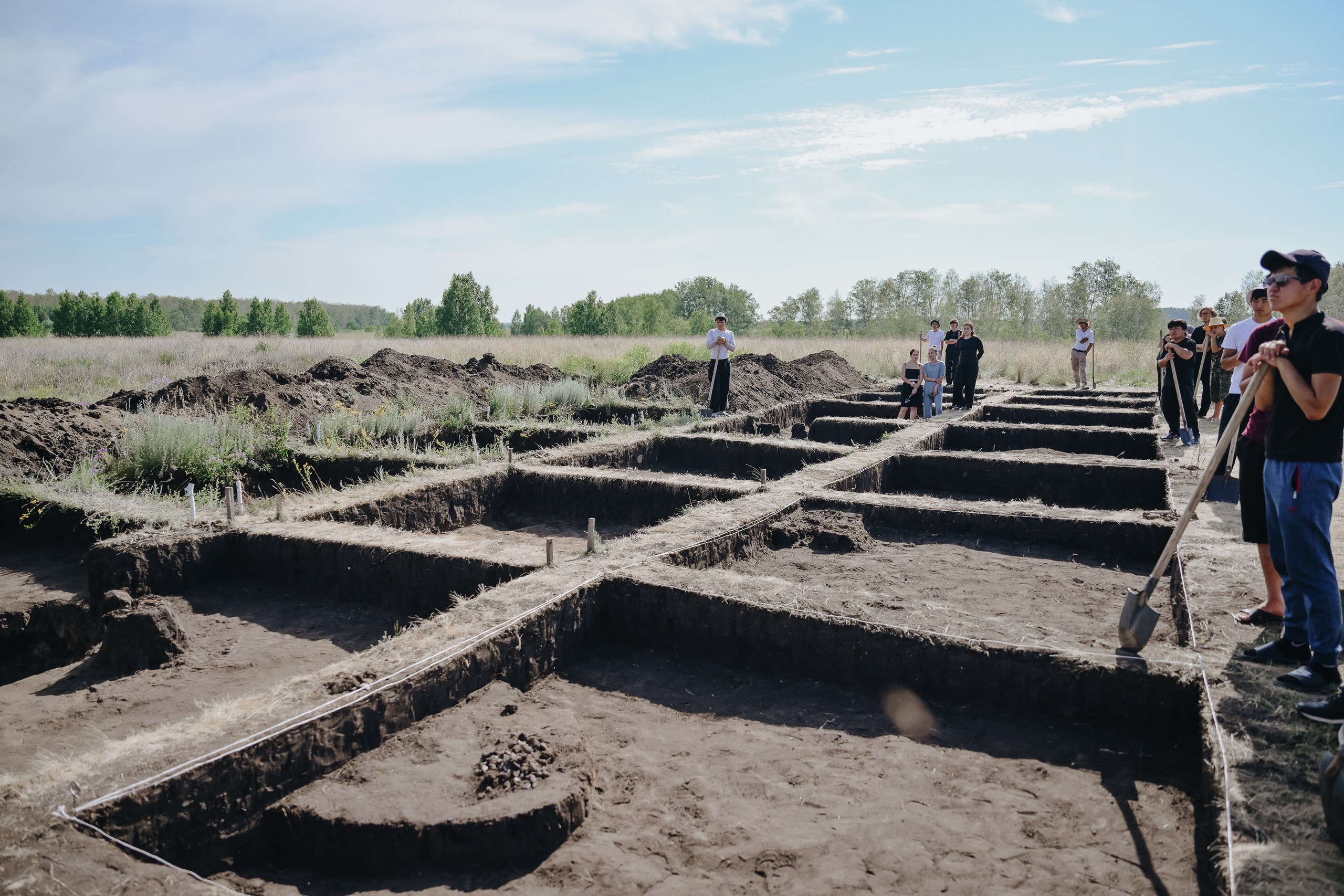
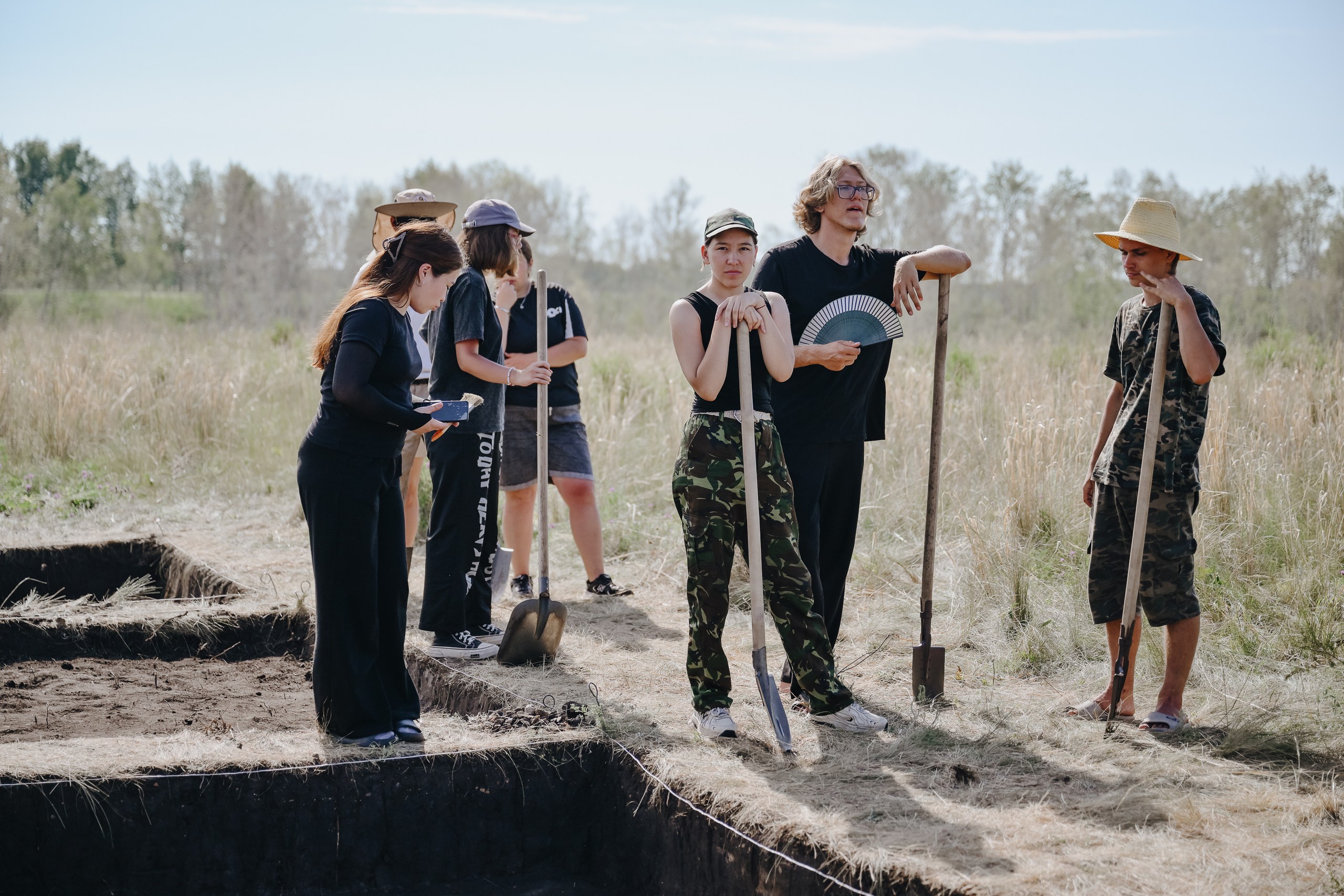
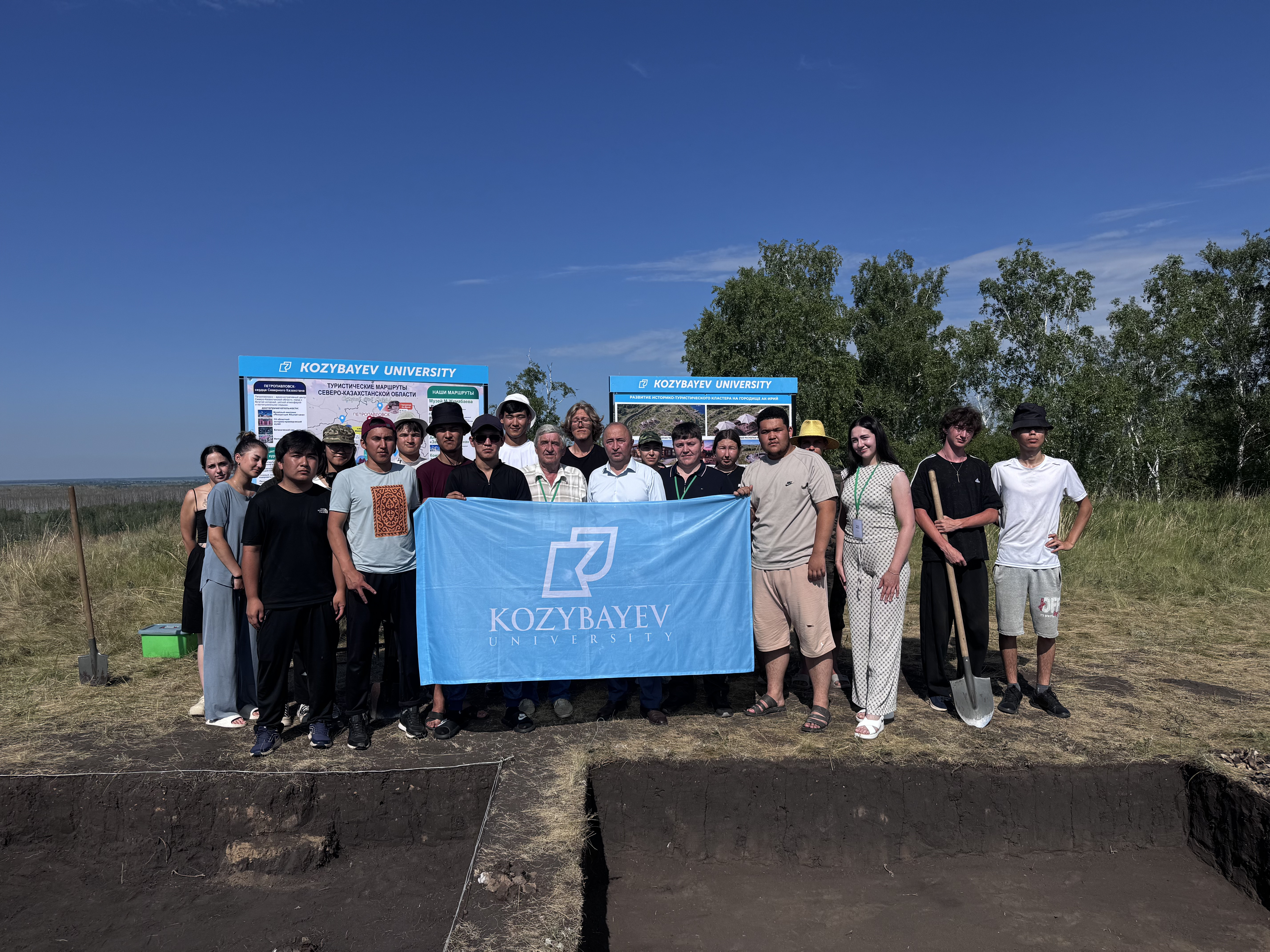
Scientists and students of Kozybayev University have completed this season’s fieldwork at the archaeological excavation site of the ancient Ak-Iriy settlement, located in the northernmost part of Kazakhstan. The 17-day expedition yielded a number of significant discoveries.
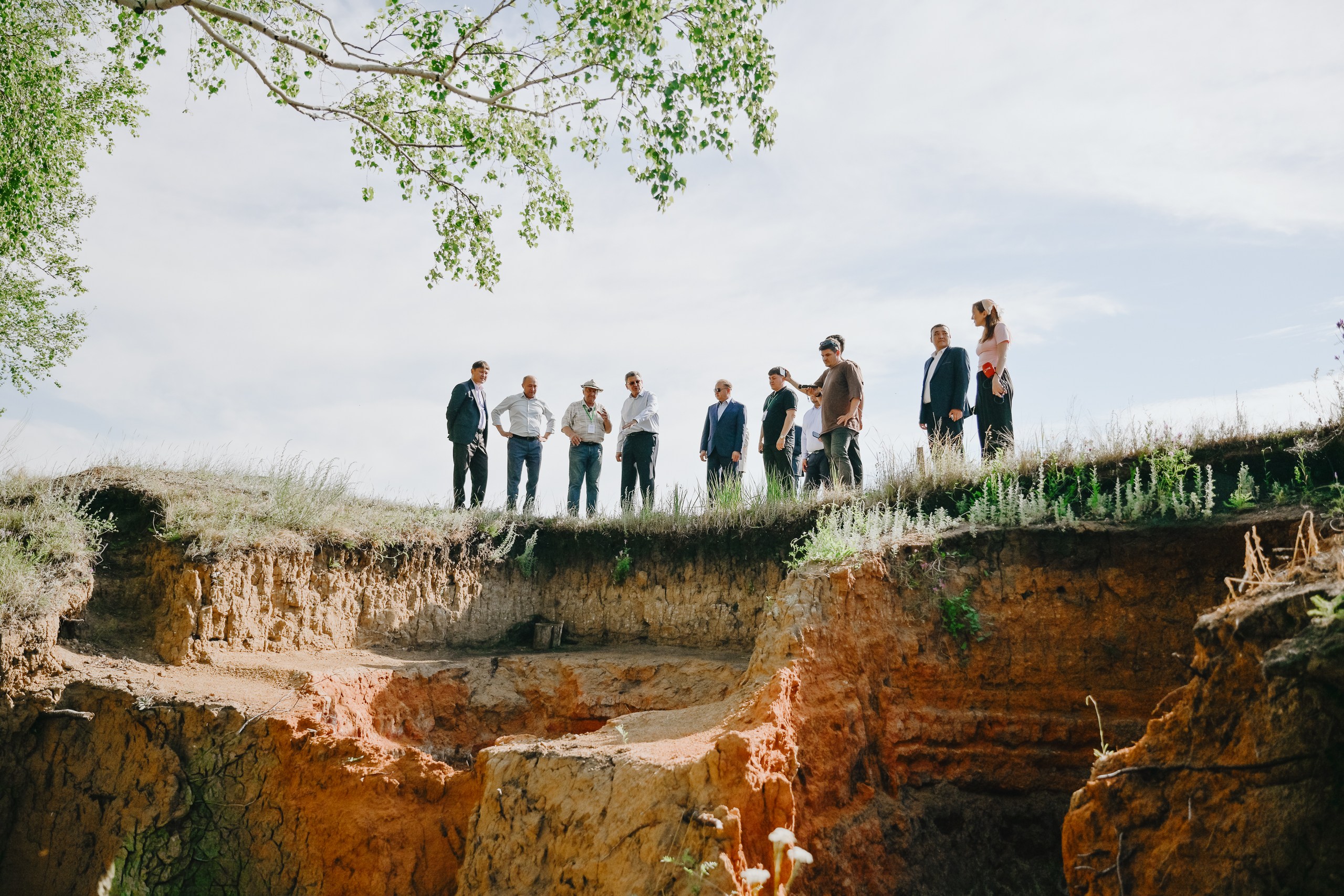
The settlement is situated near the village of Dolmatovo in the North Kazakhstan Region on a high triangular promontory. It is protected on three sides by 40-meter river cliffs and separated on the fourth side by defensive earthworks, making it an almost impregnable fortress. Researchers believe that the settlement was built for defensive, ritual-economic purposes and also functioned as a trade and border outpost.
Archaeological investigations have been conducted at the site for more than 22 years. During this period, researchers have uncovered substantial evidence of the activities and lifestyle of our ancestors.
This year, scientists received the results of radiocarbon analysis conducted on bones and charcoal recovered from the settlement. The examination was carried out at a dating laboratory in Vilnius, Lithuania. Based on the analysis of Carbon-14 (C14), a radioactive isotope used to determine the age of organic materials, the findings were dated to the period of the Golden Horde.
The Head of State has repeatedly emphasized that Kazakhstan is the direct successor to the nomadic civilization of the Great Steppe and that it is important for the global perception of the Golden Horde to be associated with Kazakhstan. In this regard, the Ak-Iriy settlement demonstrates that the territory of North Kazakhstan was densely populated and actively developing during the medieval period.
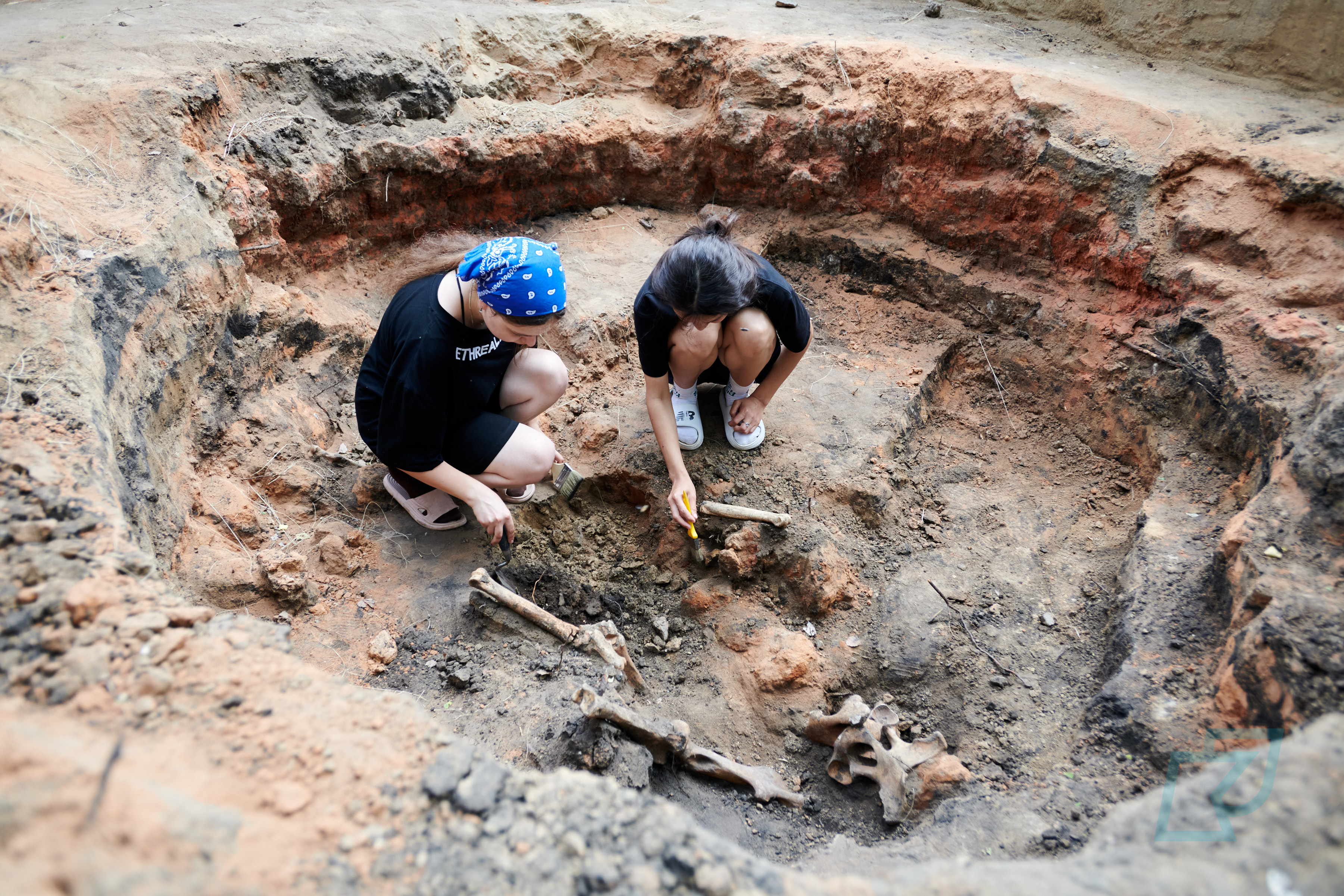
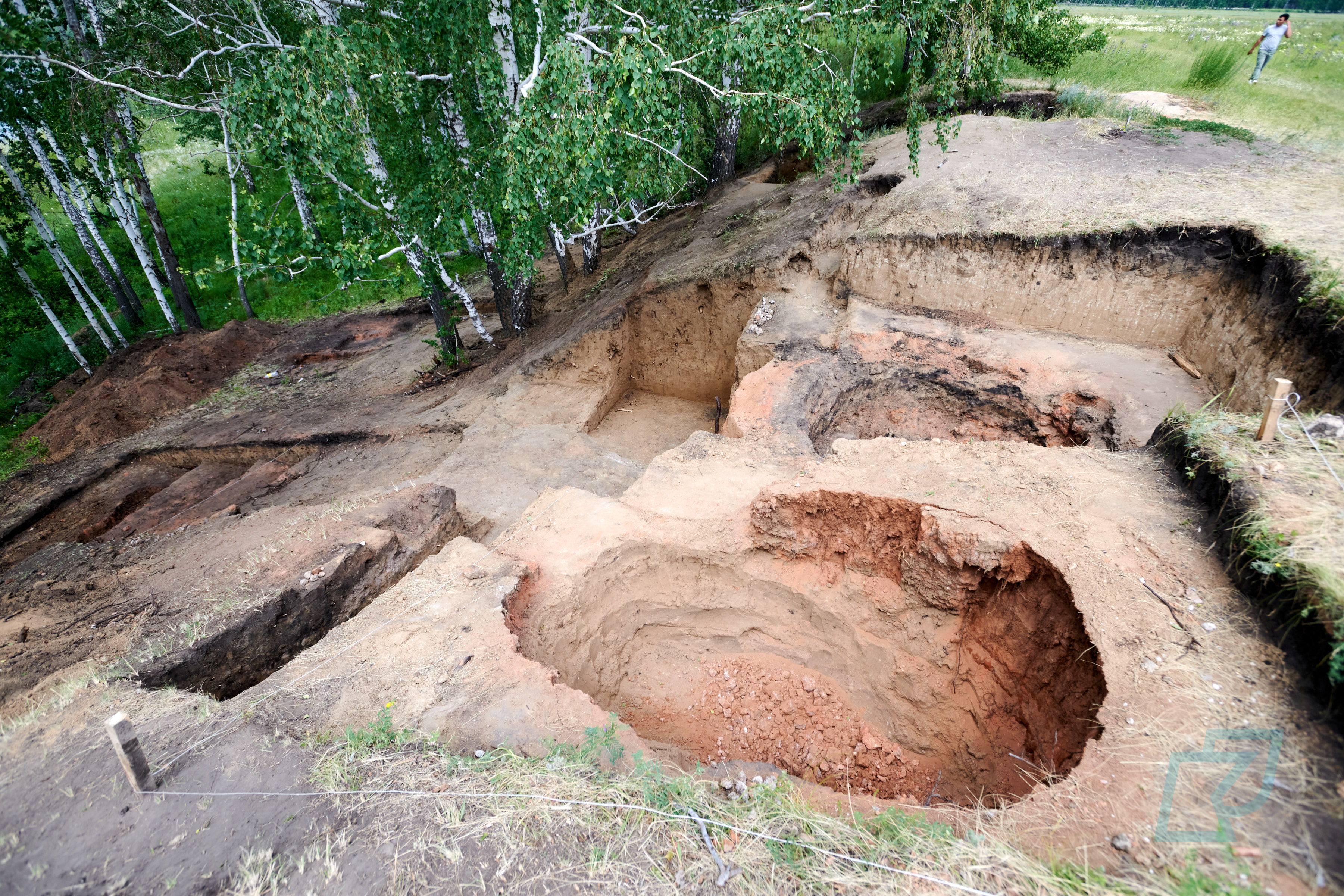
Among the most significant discoveries were furnace structures used for metal smelting, indicating advanced metallurgical production technologies. Archaeologists also uncovered smokehouses used for meat preservation. Researchers excavated production areas containing fragments of fired bricks, metal slag, and metal artifacts. Several pits contained well-preserved animal skeletons and fish bones.
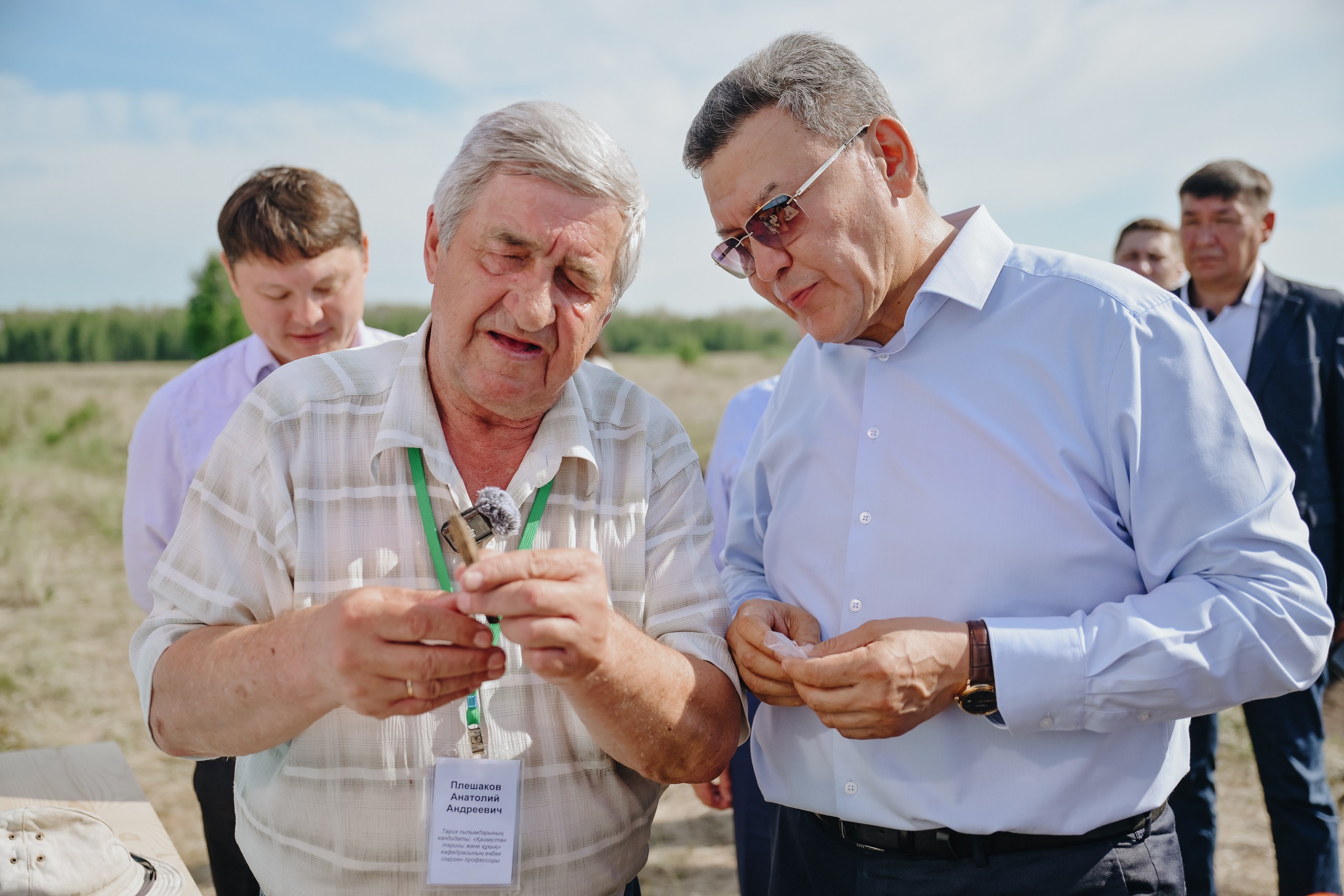
This unique ancient site was discovered in 1968 by the renowned North Kazakhstan archaeologist Anatoly Pleshakov.
“According to our initial assumptions, the first settlement on this territory dates back to the Early Iron Age, and people lived here only briefly at that time. Later, the site was reoccupied during the Golden Horde period. We discovered unique furnaces specifically designed for iron smelting. There are eight or nine such structures, although only three have been fully excavated so far. Further along the riverbank, we uncovered massive and visually impressive constructions that turned out to be smokehouses. I have never encountered anything similar anywhere across Eurasia, either in academic publications or at scientific conferences. Their scale is enormous. Meat was likely smoked here in quantities sufficient to supply an entire army. This was clearly a large-scale meat-processing complex,” says Anatoly Pleshakov, Professor at Kozybayev University.
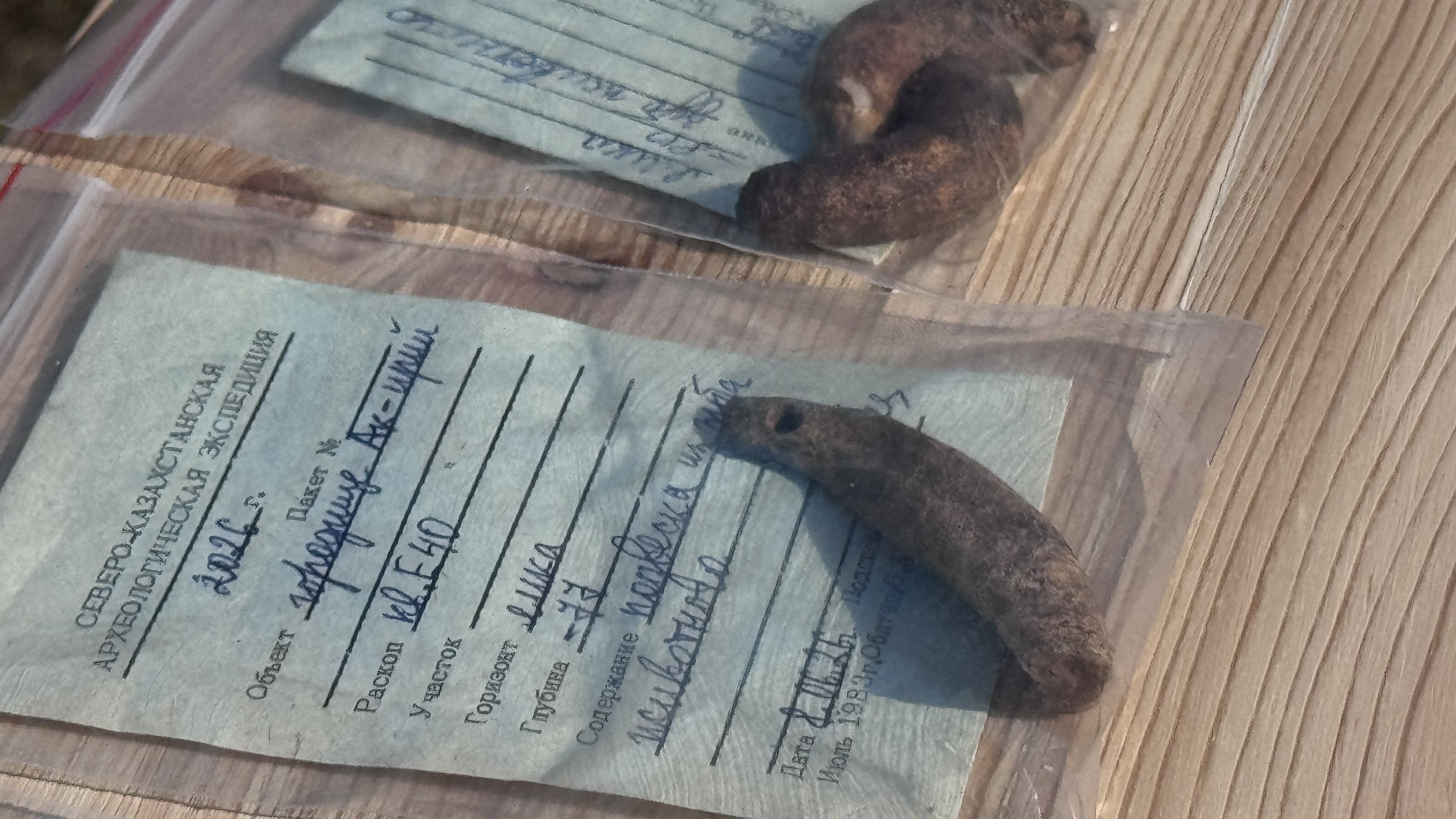
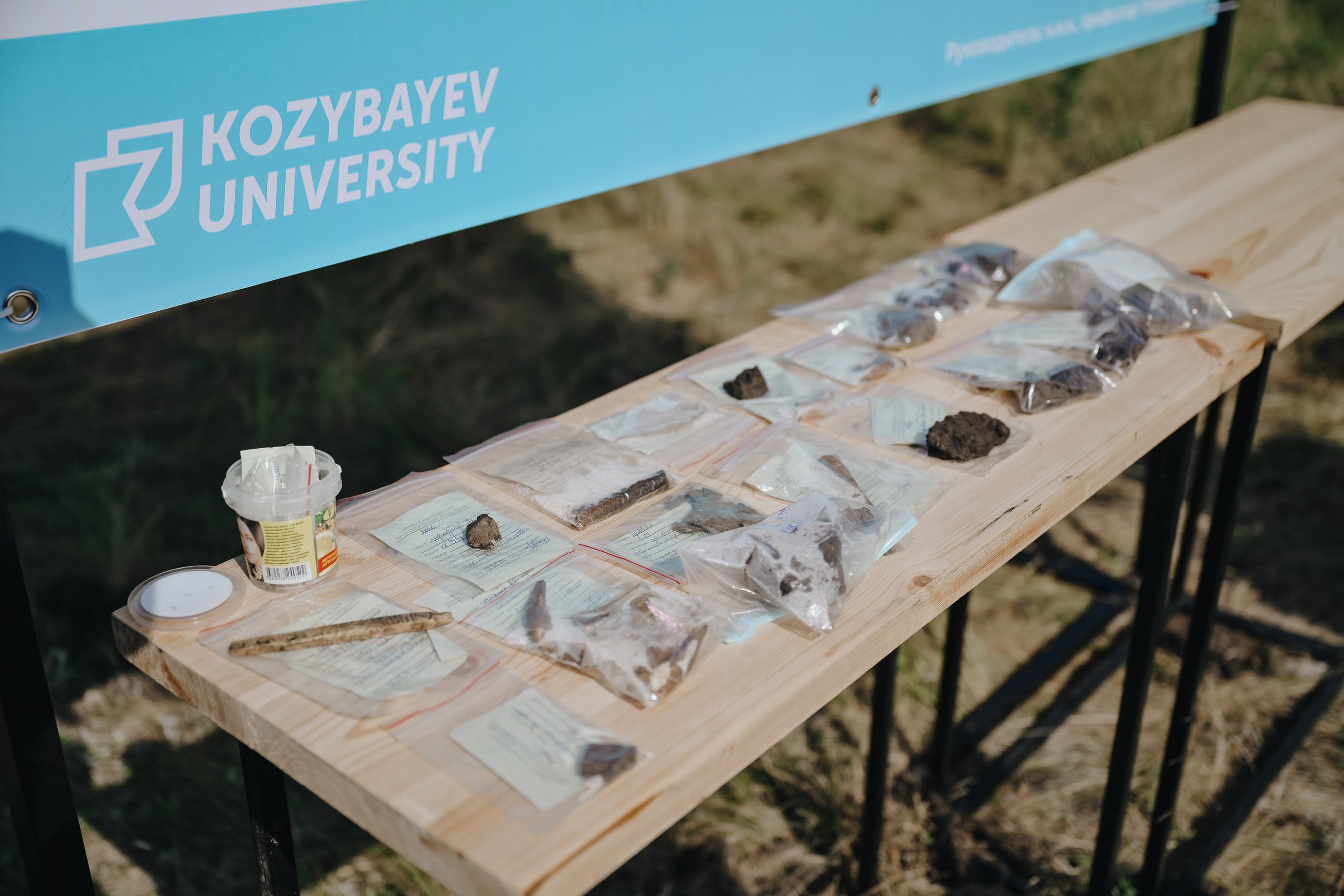
By archaeological standards, the number of small artifacts found at the site is relatively low. This suggests that the inhabitants left the settlement peacefully, taking most of their belongings with them. The reason for their departure remains unknown. Nevertheless, archaeologists recovered household items, animal remains, fragments of clay utensils and ceramics, arrowheads, and ornaments featuring anthropomorphic designs.
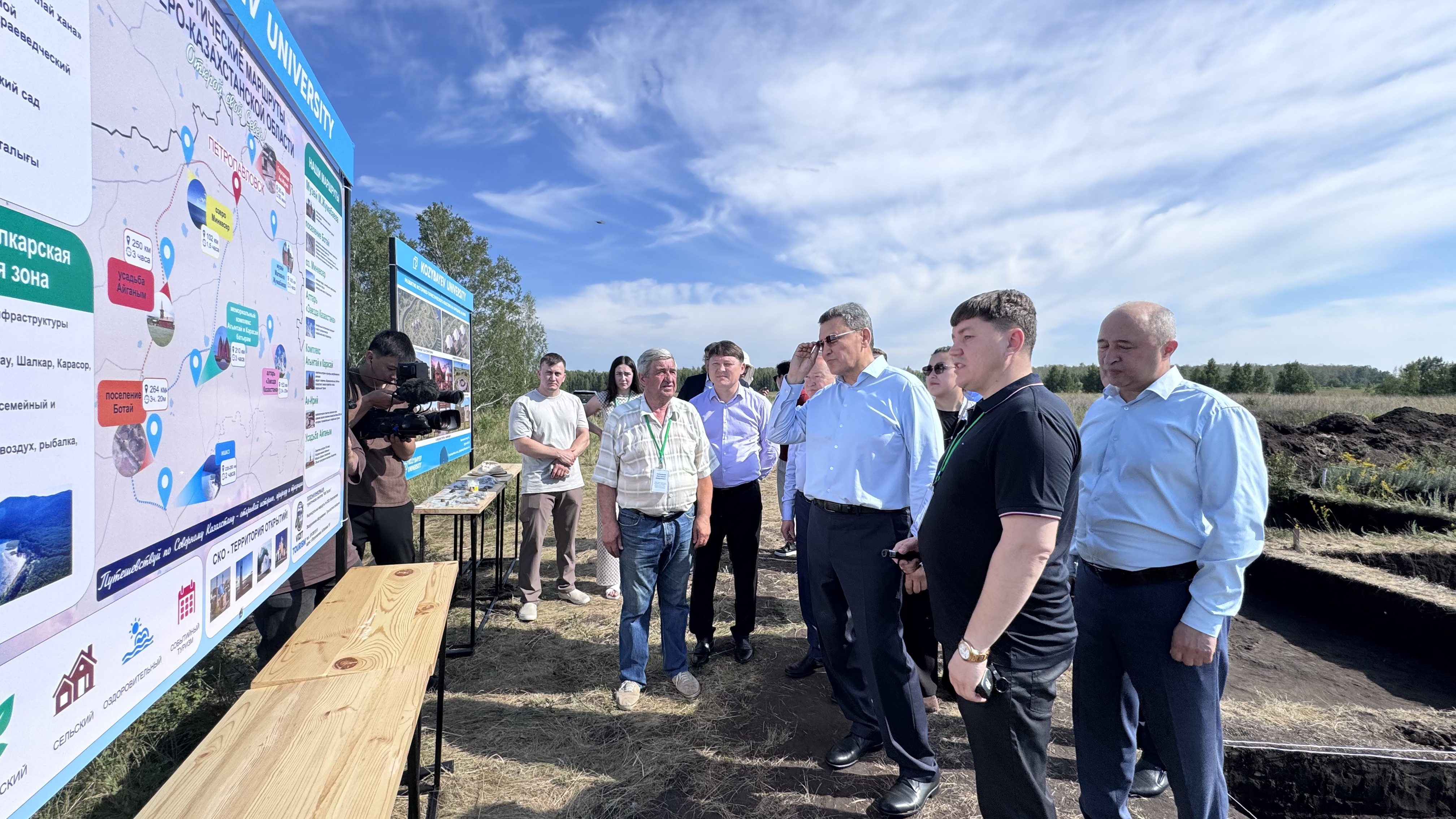
More than 20 first-year university students participated in the archaeological expedition. School pupils and university students frequently visit the excavation site on educational tours. This growing interest among young people has inspired researchers to propose the creation of a historical and tourism cluster at the settlement. The site benefits from accessible infrastructure, proximity to the city of Petropavl, and the picturesque natural landscape along the Ishim River. Plans are currently being explored for the establishment of an open-air museum.
Maria Chmir, a final-year History student at Kozybayev University, presented such a project to Akim of the North Kazakhstan Region Gauyez Nurmukhambetov:
“This site should become not only a venue for student field practice but also a destination of international significance. We have prepared a master plan for the area, proposing guided tours in the format of ‘live excavations.’ Today, people are often more interested in observing archaeological work in real time than viewing exhibits in a museum. We also propose the creation of museum pavilions, an ethnographic zone titled ‘A Night in the Iron Age,’ and a reconstruction of an ancient observatory.”
It should be noted that the Ak-Iriy settlement is included in the list of sacred sites of North Kazakhstan.