Quotation gallery
Being ignorant is not so much a shame, as being unwilling to learn.
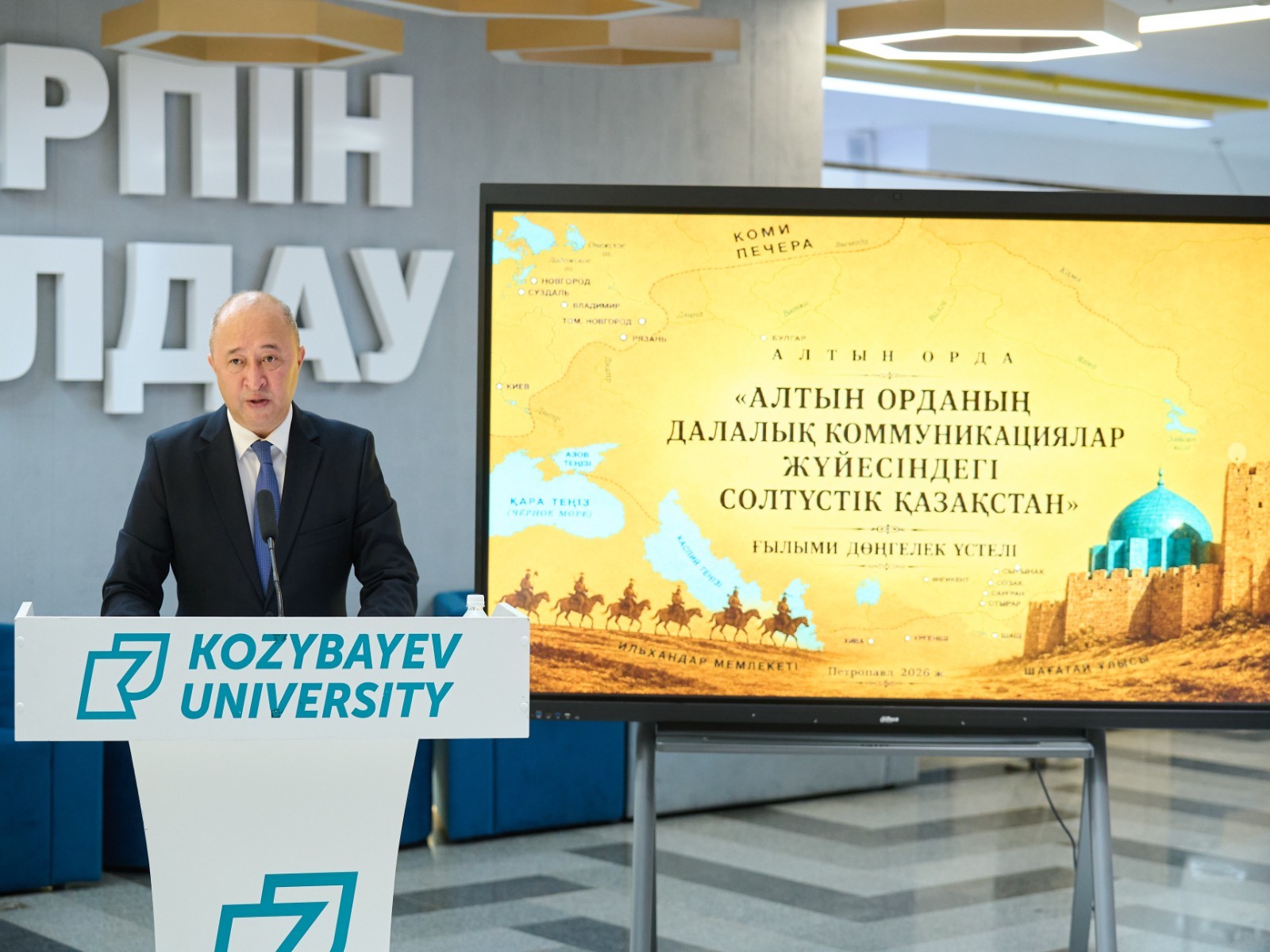
Steppe Communications of the Golden Horde: A Northern Kazakhstan Perspective
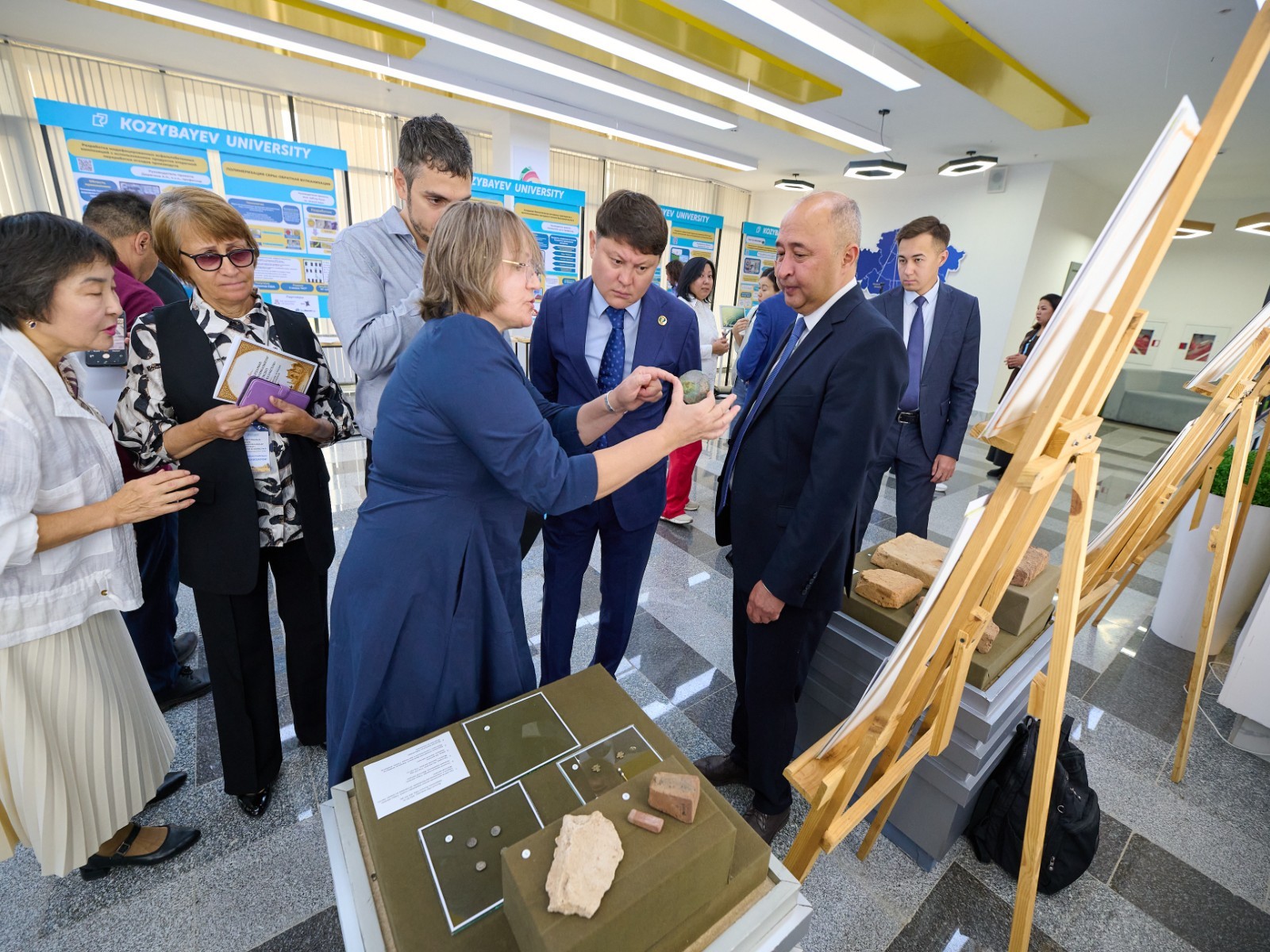
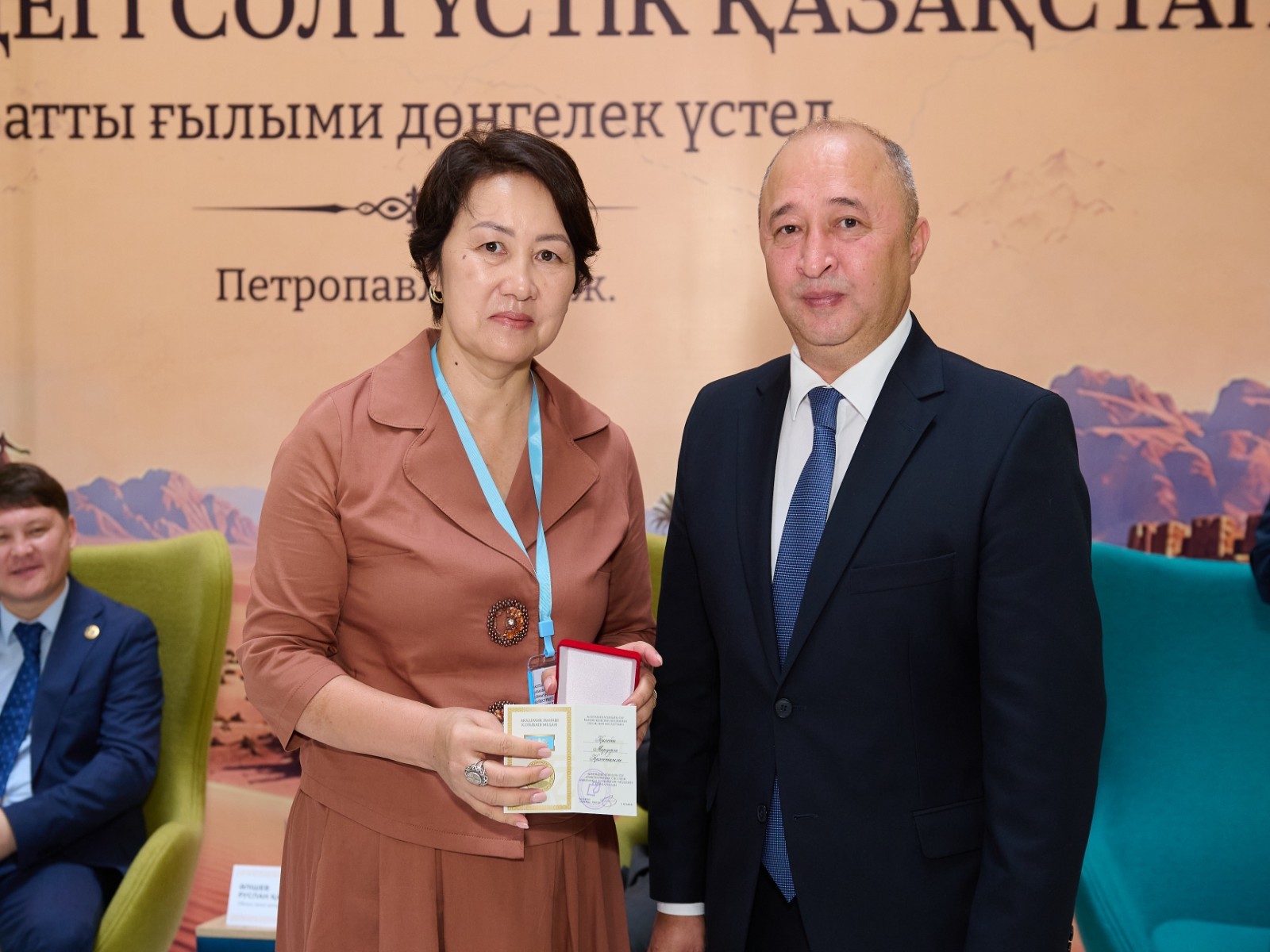
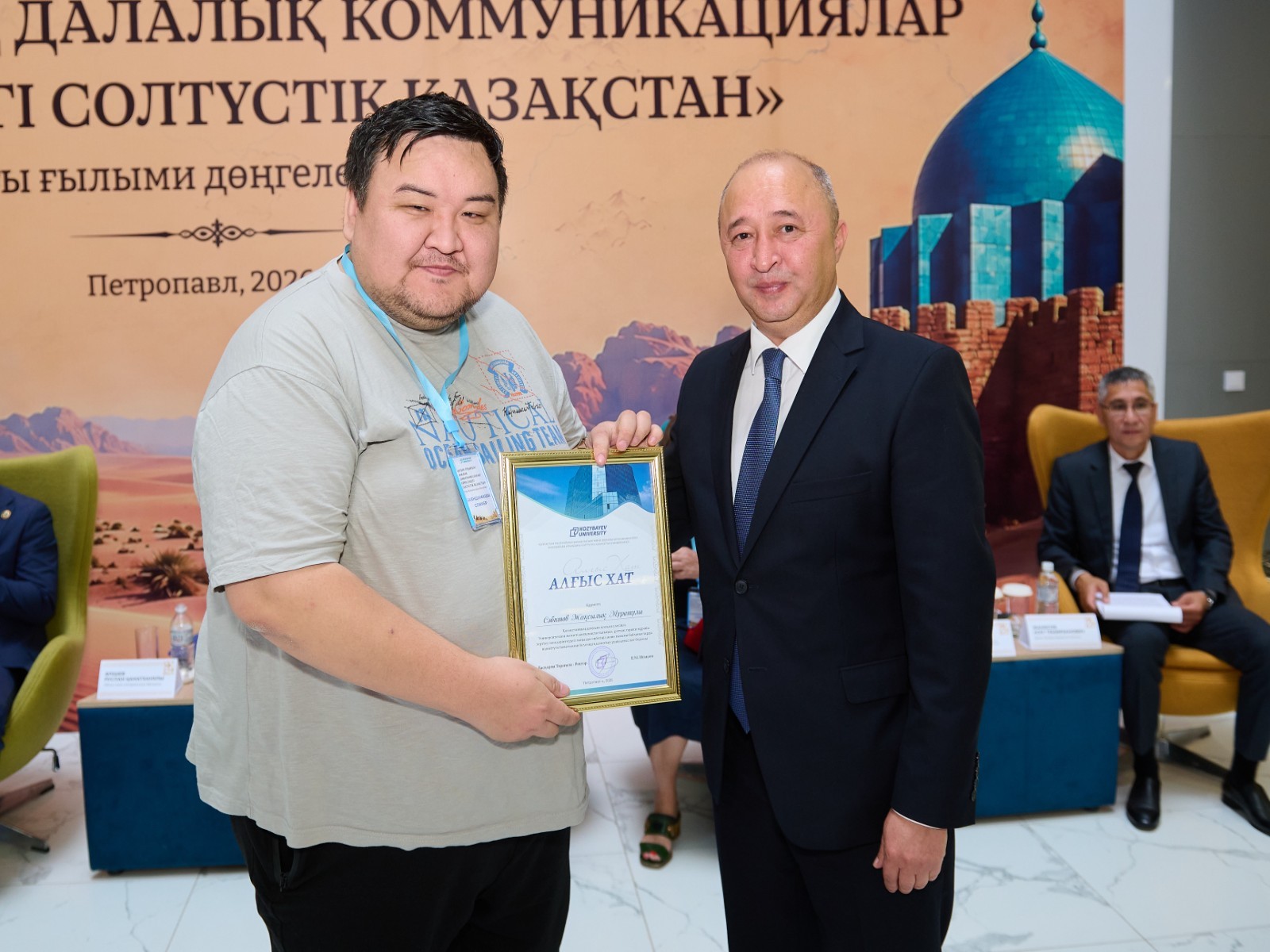
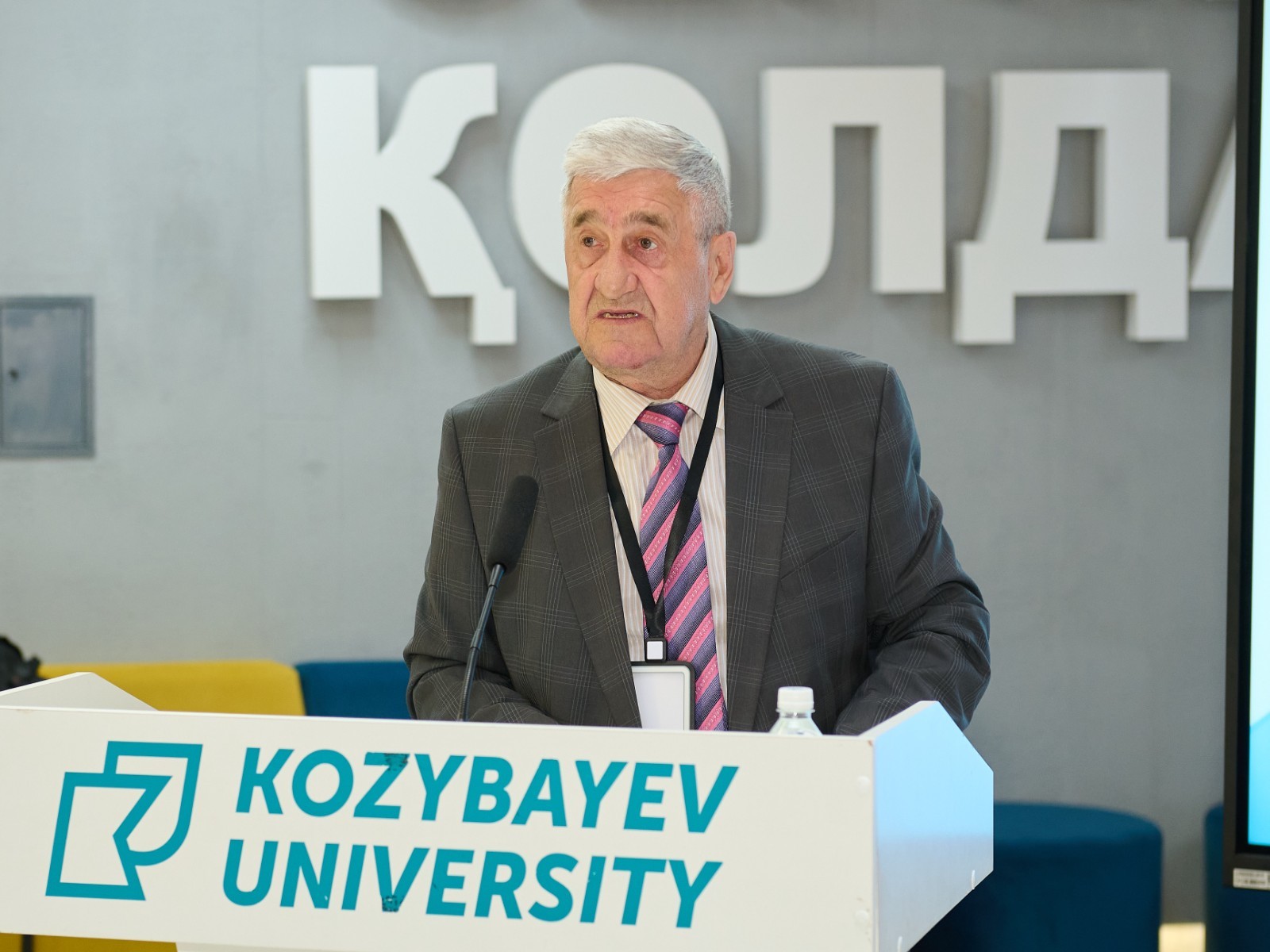
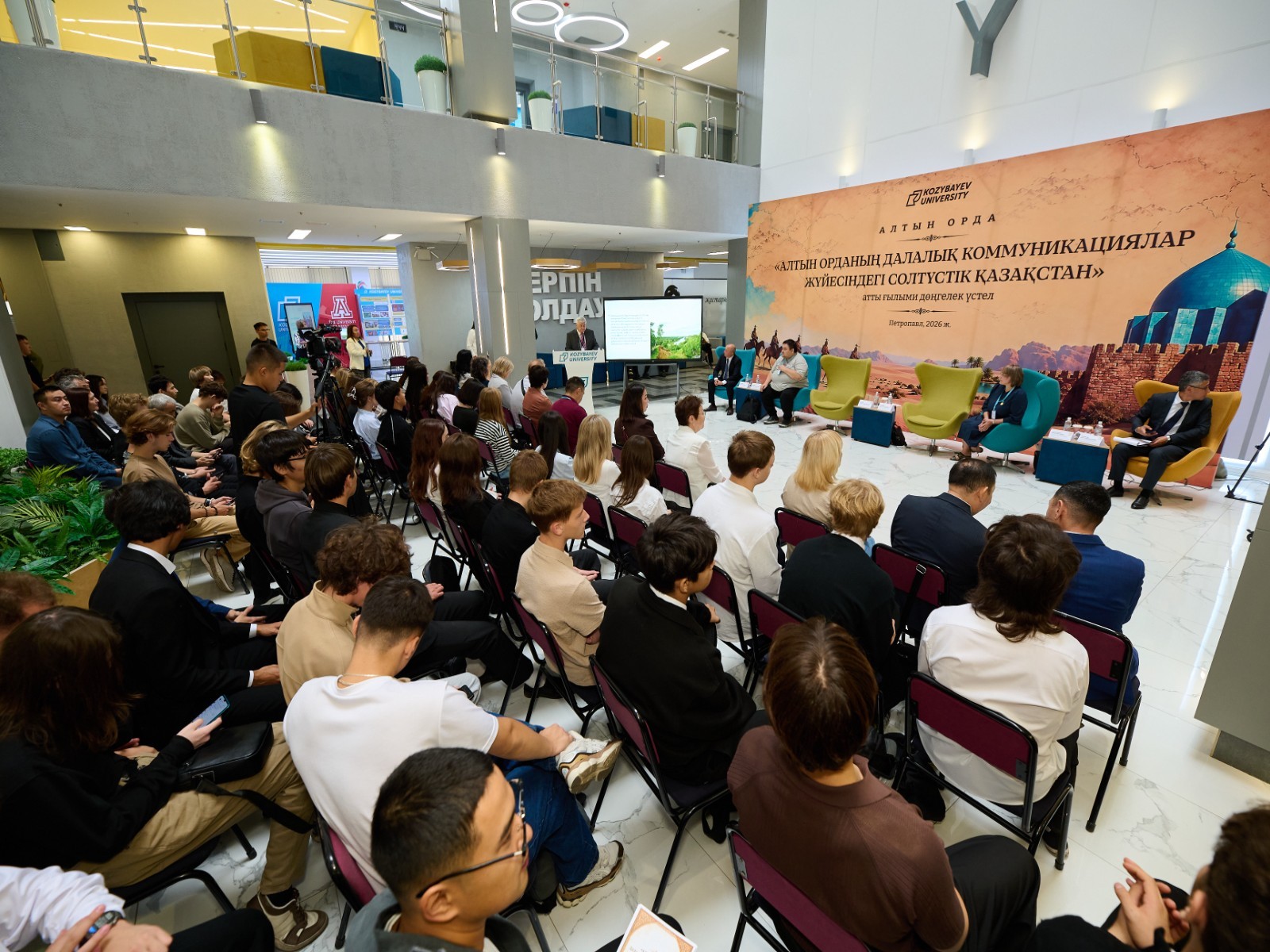
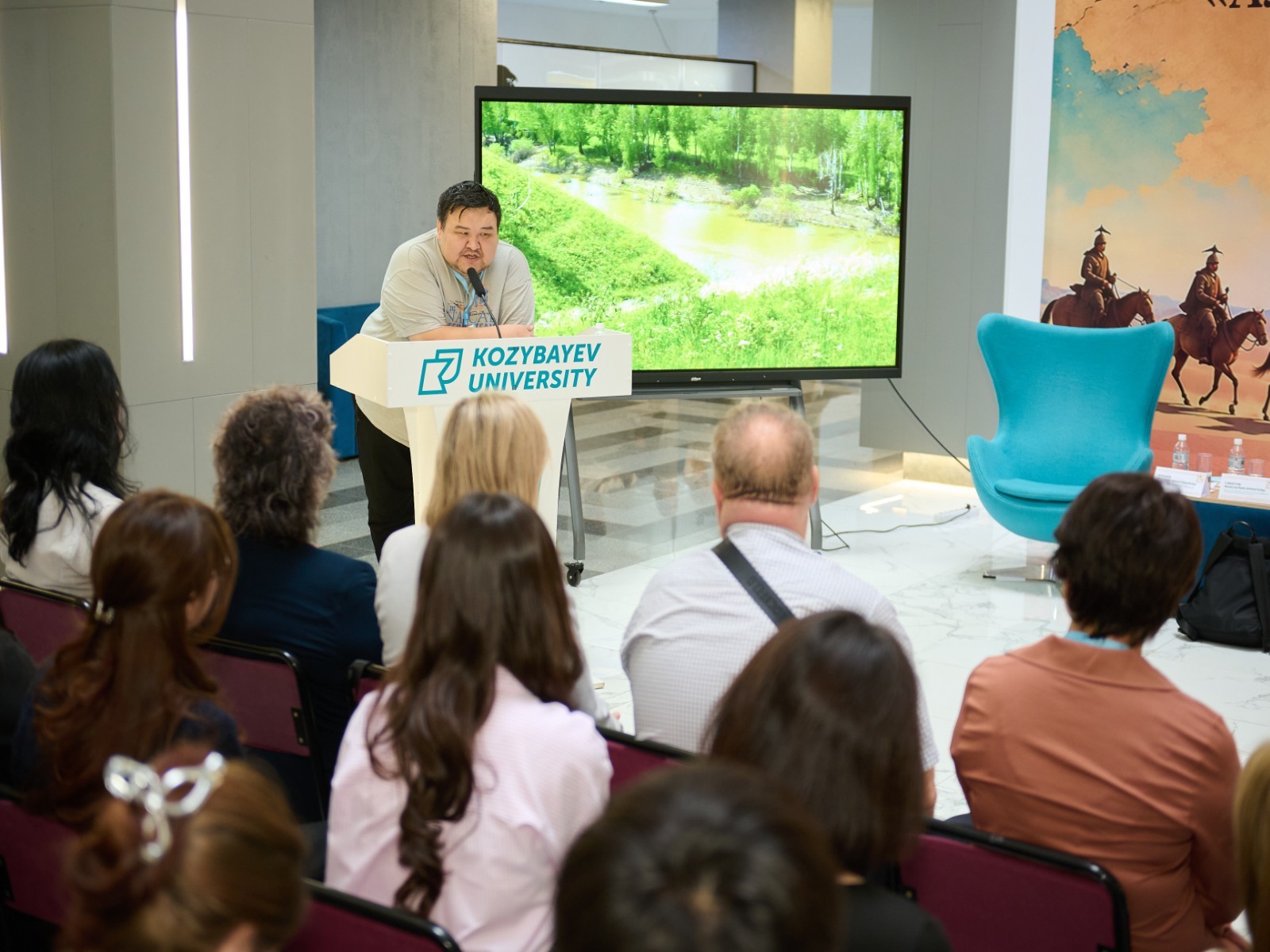
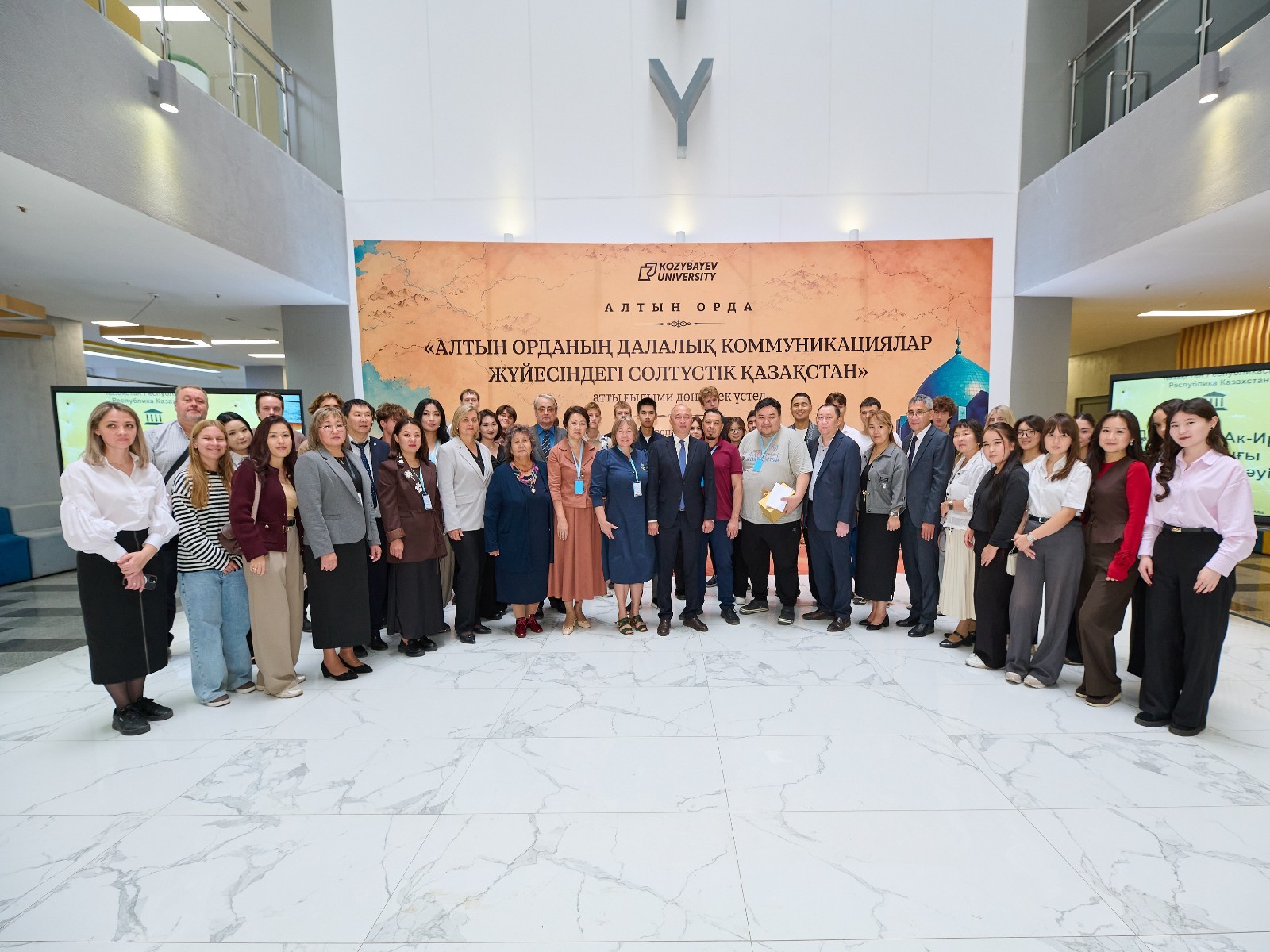
Kozybayev University hosted the international round table “Northern Kazakhstan in the System of Steppe Communications of the Golden Horde.” The event brought together scholars, archaeologists, historians, source studies specialists, and young researchers from Kazakhstan, Russia, the United States, and Türkiye.
President of the Republic of Kazakhstan Kassym-Jomart Tokayev has repeatedly emphasized the need for a deeper scholarly understanding of the legacy of the Ulus of Jochi and highlighted the special place of the Golden Horde in the history of steppe civilization.
In this context, Kozybayev University focused on the study of Northern Kazakhstan — a territory that for centuries was part of the political, trade and economic, and cultural networks of the Great Steppe.
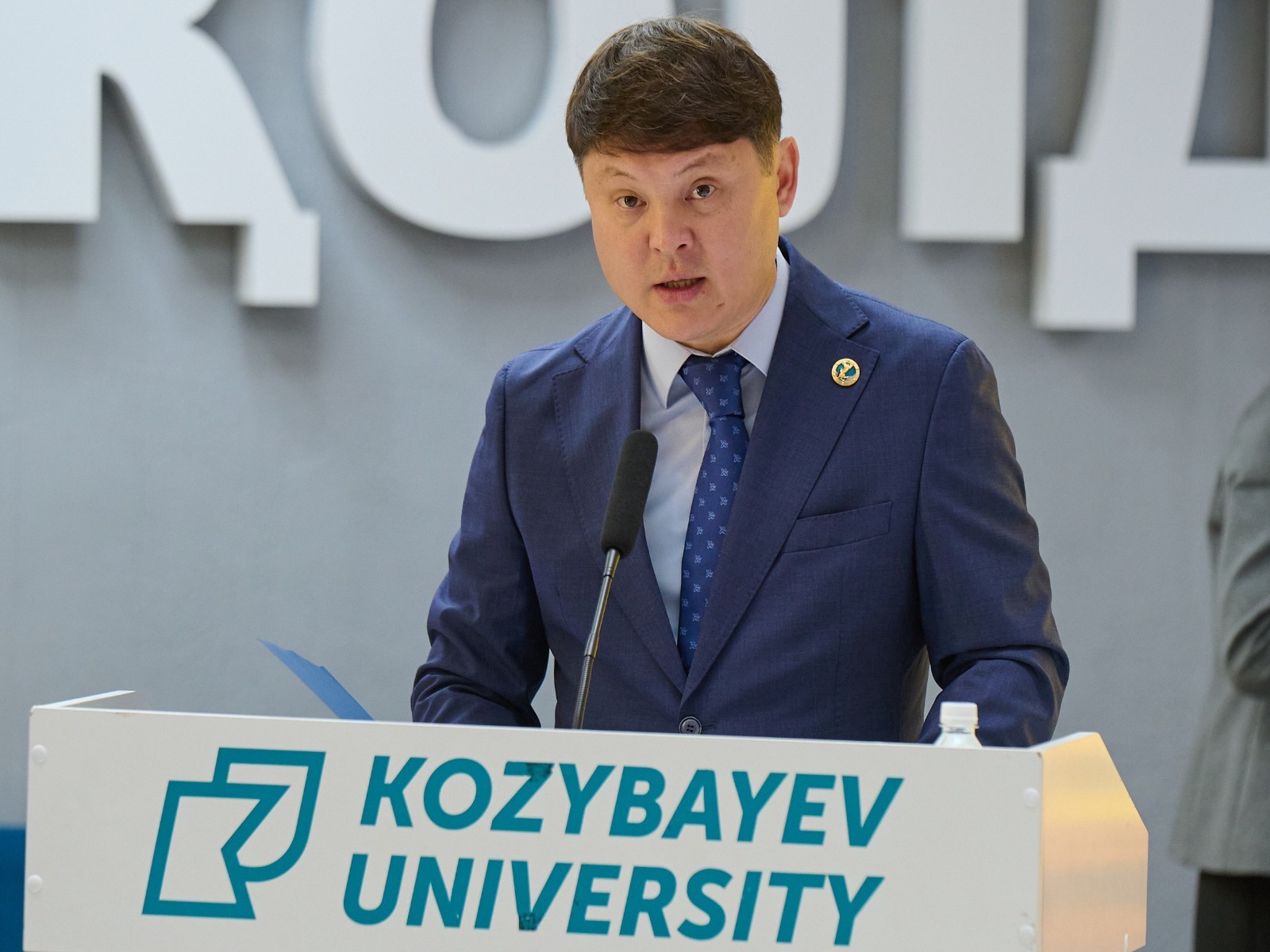
Opening the round table, Chairman of the Executive Board – Rector of Kozybayev University Yerbol Issakayev noted: “In the Middle Ages, routes connecting different parts of Eurasia passed through our territory, bringing cultures into interaction and interests into contact. Therefore, studying historical communications allows us to view Northern Kazakhstan not as a peripheral territory, but as part of a vast space where processes unfolded that influenced the subsequent history of Eurasia.”
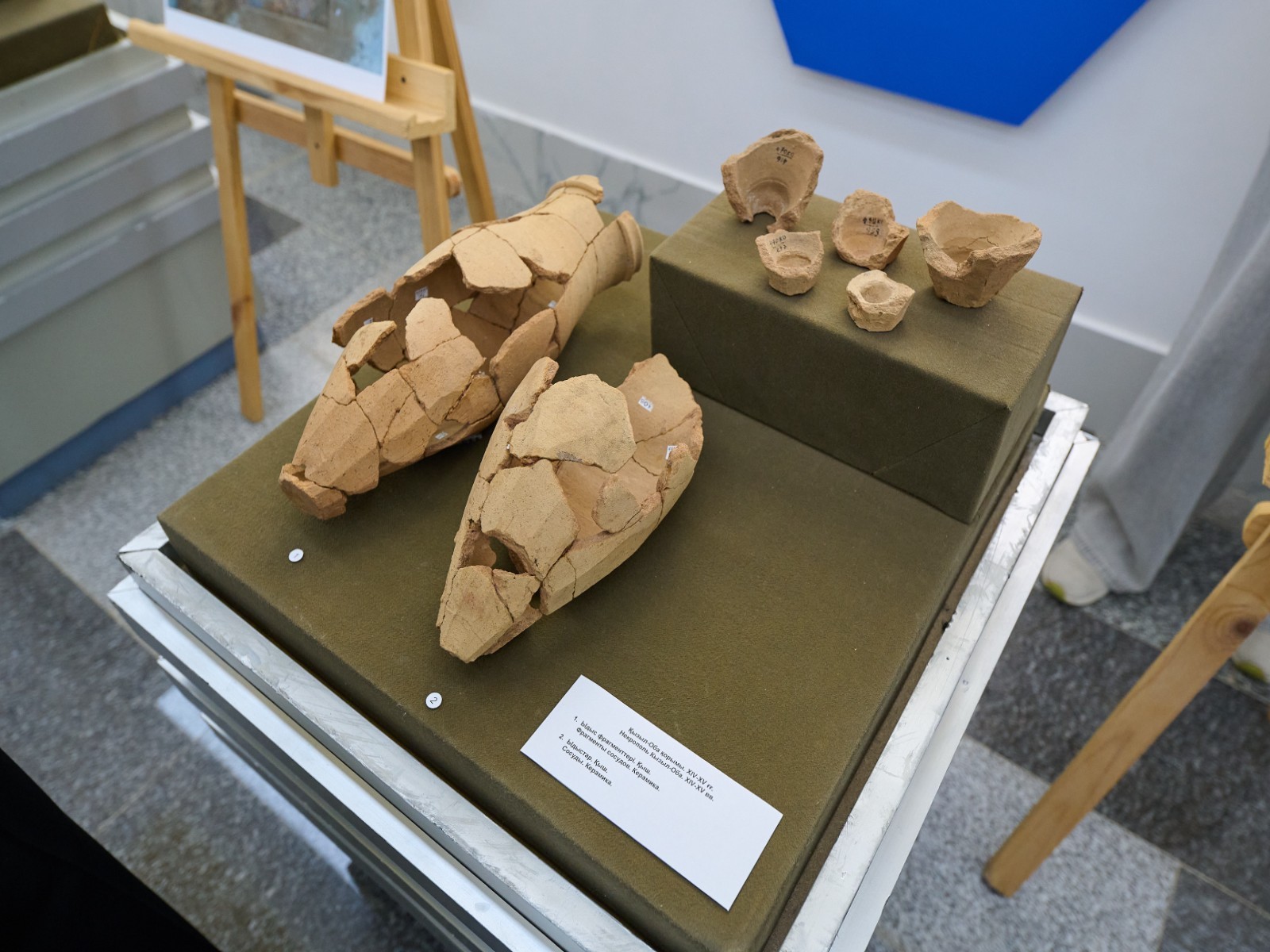
One of the findings supporting this understanding of the region’s past is the Kyzyl-Oba mausoleum, discovered in 2019 during archaeological excavations near the village of Karatal in the Ualikhanov District of the North Kazakhstan Region. This unique archaeological monument dates to the Golden Horde period. It was studied by scholars from the Institute of Archaeological Research of A. Margulan Pavlodar Pedagogical University with the participation of Kozybayev University. The mausoleum is an elite burial site of medieval nobility, presumably associated with the Jochid dynasty. The discovery was a major archaeological sensation, as architectural structures of such scale dating to the Golden Horde period had not previously been studied in Northern Kazakhstan. And this is far from the only monument of its kind in the region.
Professor of Kozybayev University Anatoly Pleshakov spoke about excavations at the ancient settlement of Ak-Iriy in the Kyzylzhar District of the North Kazakhstan Region. For more than 20 years, he has headed the North Kazakhstan Archaeological Expedition studying this unique site. “This year, we received the results of radiocarbon analysis of finds from the settlement — bones and charcoal. The analysis was conducted at a dating laboratory in Vilnius, Lithuania. It was established that the finds date to the Golden Horde period,” Anatoly Pleshakov said. Among the main discoveries at the settlement are furnace structures used for metal smelting, indicating advanced metallurgical skills. Smokehouses used for meat preservation were also found at the site.
Other topics discussed at the round table included the historical continuity of logistical routes, the application of discourse analysis to written sources from the Golden Horde period, historiographical approaches to Northern Kazakhstan during the Horde period, the history of the Kyzylzhar region, archaeological survey research, women in the Golden Horde’s system of power and dynastic politics, and other issues.
Zhaksulyk Sabitov, Director of the Scientific Institute for the Study of the Ulus of Jochi, addressed the administrative and territorial divisions of the Golden Horde between 1225 and 1359. Irina Panyushkina, a professor at the University of Arizona and a renowned scholar in environmental archaeology and dendroclimatology, presented research on archaeological evidence of a military envoy’s passage through the Betpak-Dala Desert.
The presentations at the event approached the subject from a range of scholarly perspectives, including archaeology, historical geography, archival studies, historiography, and the natural sciences. This diversity of approaches provides a foundation for meaningful professional dialogue and contributes to the development of a sustainable interdisciplinary field of research into the Ulus of Jochi and the role of Northern Kazakhstan in the system of steppe communications.