Quotation gallery
Knowledge is rooted in all things – the world is a library.
Kozybayev University and QAIRU Launch AI+X Model for Agriculture in North Kazakhstan
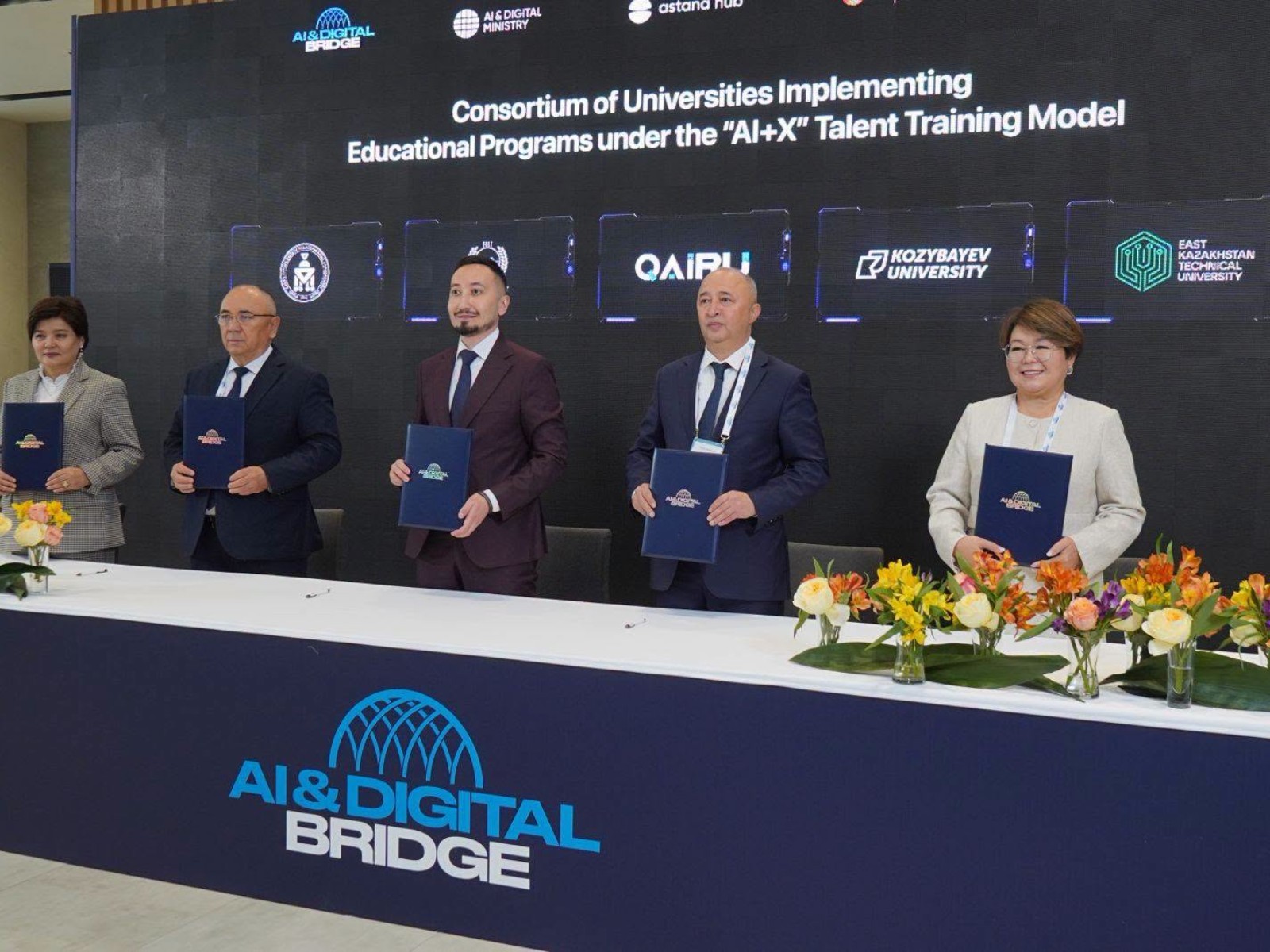
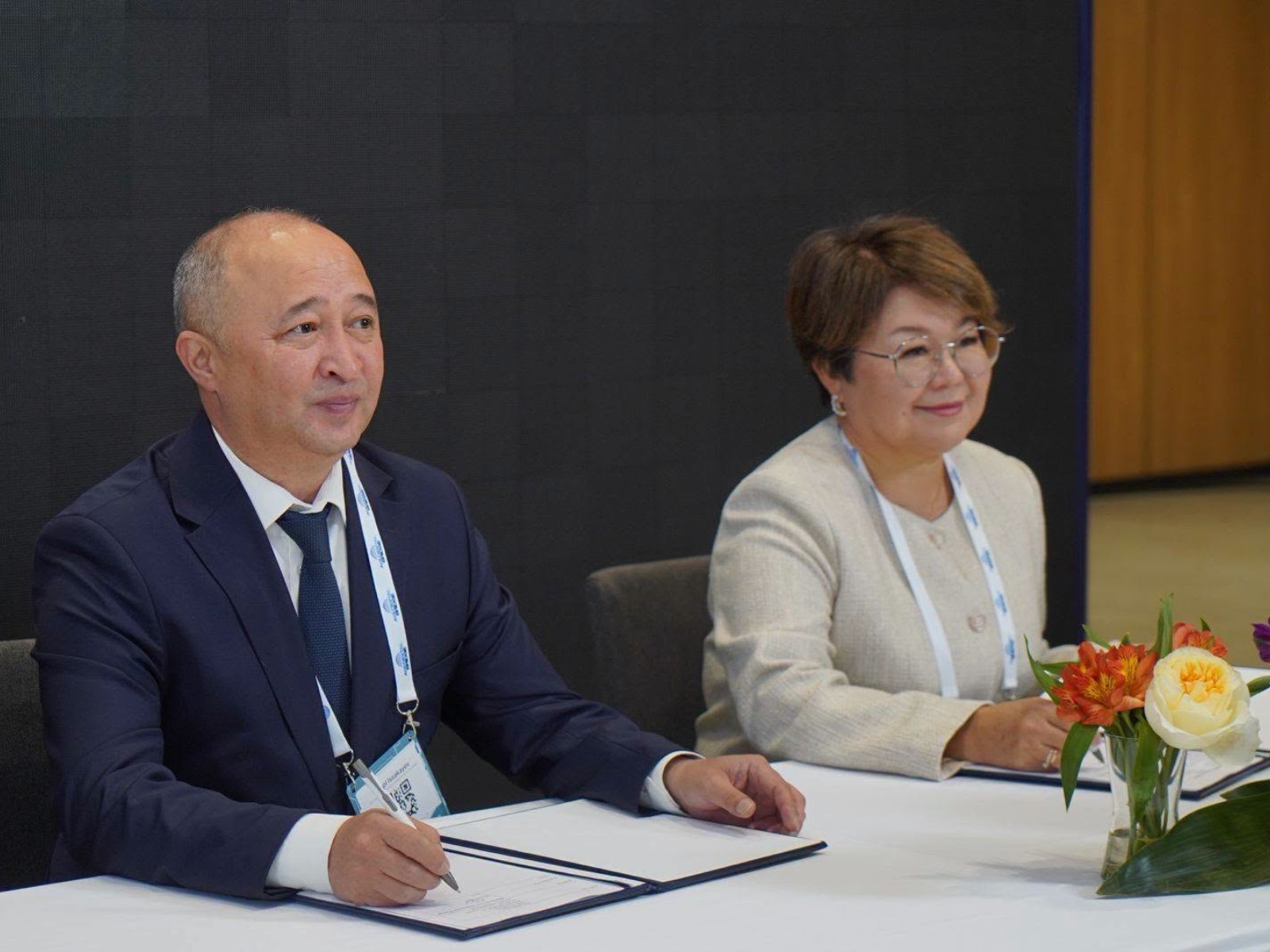
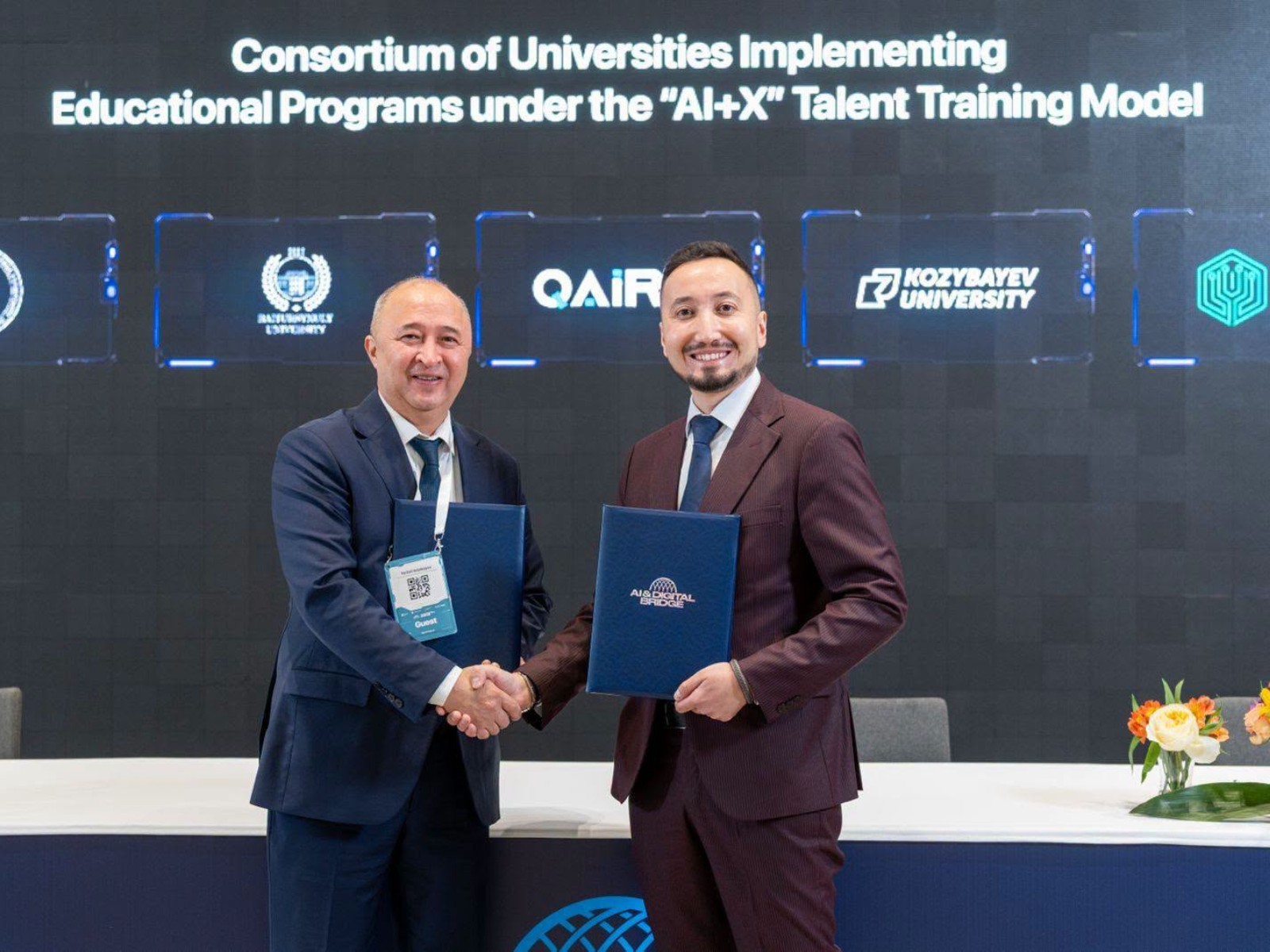
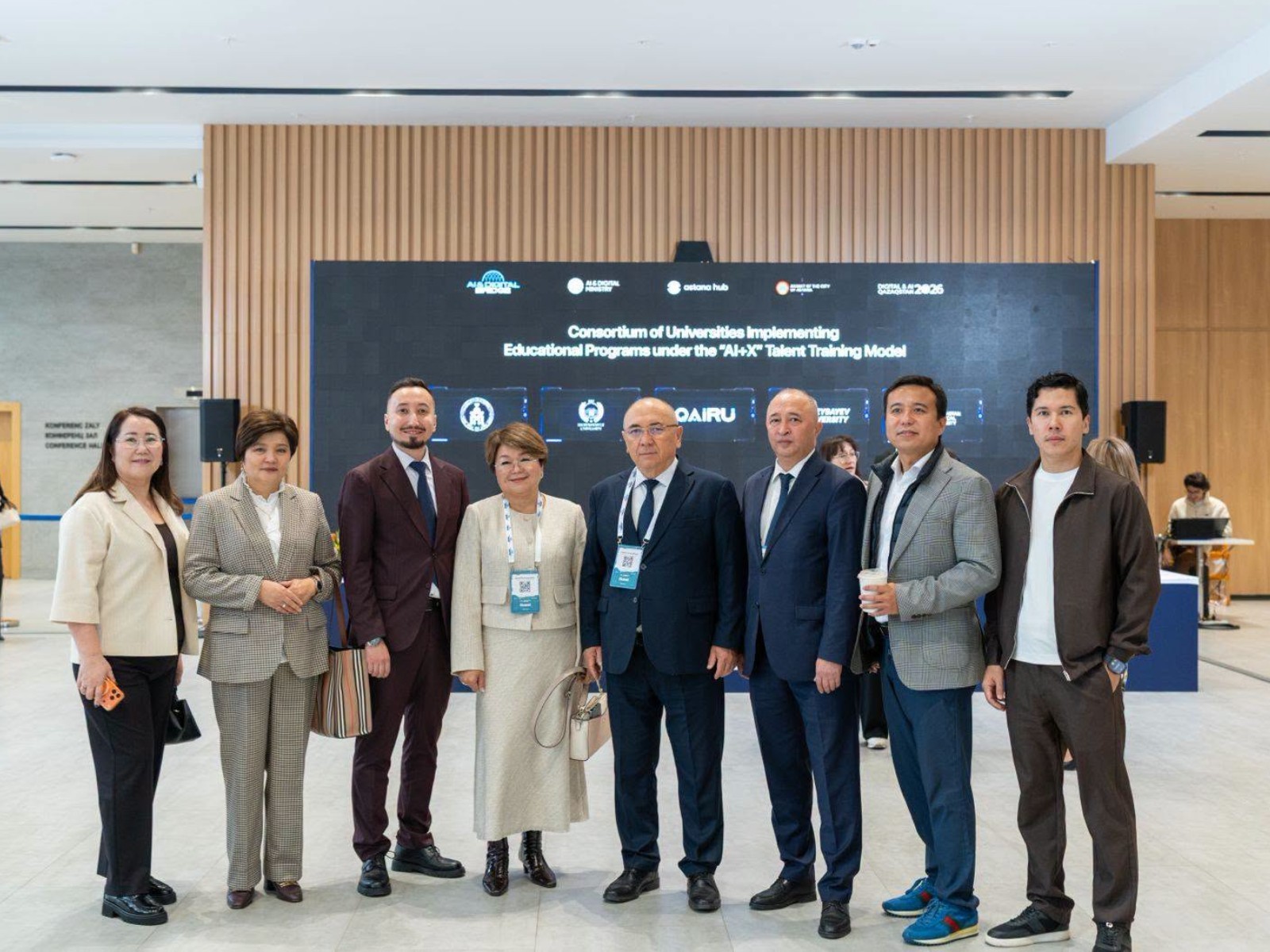
At the AI & Digital Bridge 2026 forum, held in Astana on October 1–3, four Kazakhstani universities signed a consortium agreement with Qazaq AI Research University (QAIRU) to launch the national AI+X model.
Kozybayev University has become QAIRU’s partner in the “AI + Agriculture” track.
The AI+X model is aimed at implementing the task set by President of Kazakhstan Kassym-Jomart Tokayev: training specialists who combine fundamental knowledge in artificial intelligence with professional expertise in a specific industry.
In 2026, the model is being launched in four areas: AI + Education, AI + Mechanical Engineering, AI + Agriculture, and AI + Transport Technologies. QAIRU provides AI competencies, partner universities deliver industry-specific training, and industry partners contribute real-world production challenges.
For Kozybayev University, the focus is agriculture - one of the key sectors of North Kazakhstan. The university already has expertise in agricultural science, biotechnology, genomics and digital technologies and cooperates with agricultural enterprises.
“Participation in AI+X gives us an opportunity to bring together what has already been developed at the university: agricultural science, biotechnology, genomics, digital technologies and professional training. Today, it is important not only to provide students with professional knowledge, but also to teach them to understand how new technologies can enhance their profession. A new-generation agricultural specialist should understand plants, soil and animals while also being able to work with data, digital tools and artificial intelligence,” said Yerbol Issakayev, Chairman of the Executive Board - Rector of Kozybayev University.
The cooperation will include the development of educational programmes, including a master’s programme in AI + Agriculture, as well as interdisciplinary research and applied projects. Students will receive fundamental AI training — from mathematics and algorithms to machine learning and deep learning - while at Kozybayev University they will develop expertise in the agricultural sector.
Industry partner Skyworker, which develops unmanned aerial systems, including those for agricultural technologies, is also expected to join the initiative. This will allow education and research to be connected to practical tasks such as field monitoring, data processing, the use of unmanned aerial vehicles and other digital solutions for agriculture.
“We chose Kozybayev University for a reason. It has strong expertise in agriculture, experience in training specialists for the sector, a professional academic team and established connections with agricultural businesses. It is important that students can receive strong fundamental AI training while working on real challenges facing their region, without having to leave it,” emphasized Sapar Toksanov, Rector of QAIRU.
AI applications in agriculture can cover a wide range of tasks - from soil and crop analysis and yield forecasting to breeding, livestock farming and the efficient use of resources. The key is to ensure that technologies do not remain in laboratories but reach actual production.
This is the practical value of the new model: university knowledge, AI competencies and business needs are brought together around the challenges of a specific region. For North Kazakhstan, this creates an opportunity to train specialists directly for its economy while developing solutions that are in demand among agricultural enterprises.
In the future, QAIRU plans to expand the AI+X model to other universities across Kazakhstan. This will create a national network in which each university builds on its strongest industry expertise, while AI serves as a tool for its development.
For Kozybayev University, this is a new format of cooperation at the intersection of education, research and industry. For the region, it is an opportunity to retain and train modern specialists locally. For the country, it marks a shift from training individual AI specialists to developing professionals who can apply artificial intelligence where the real economy is created.