Quotation gallery
The eye sees only what the mind is prepared to comprehend.
Developing healthcare and medical education is an investment in the country’s future
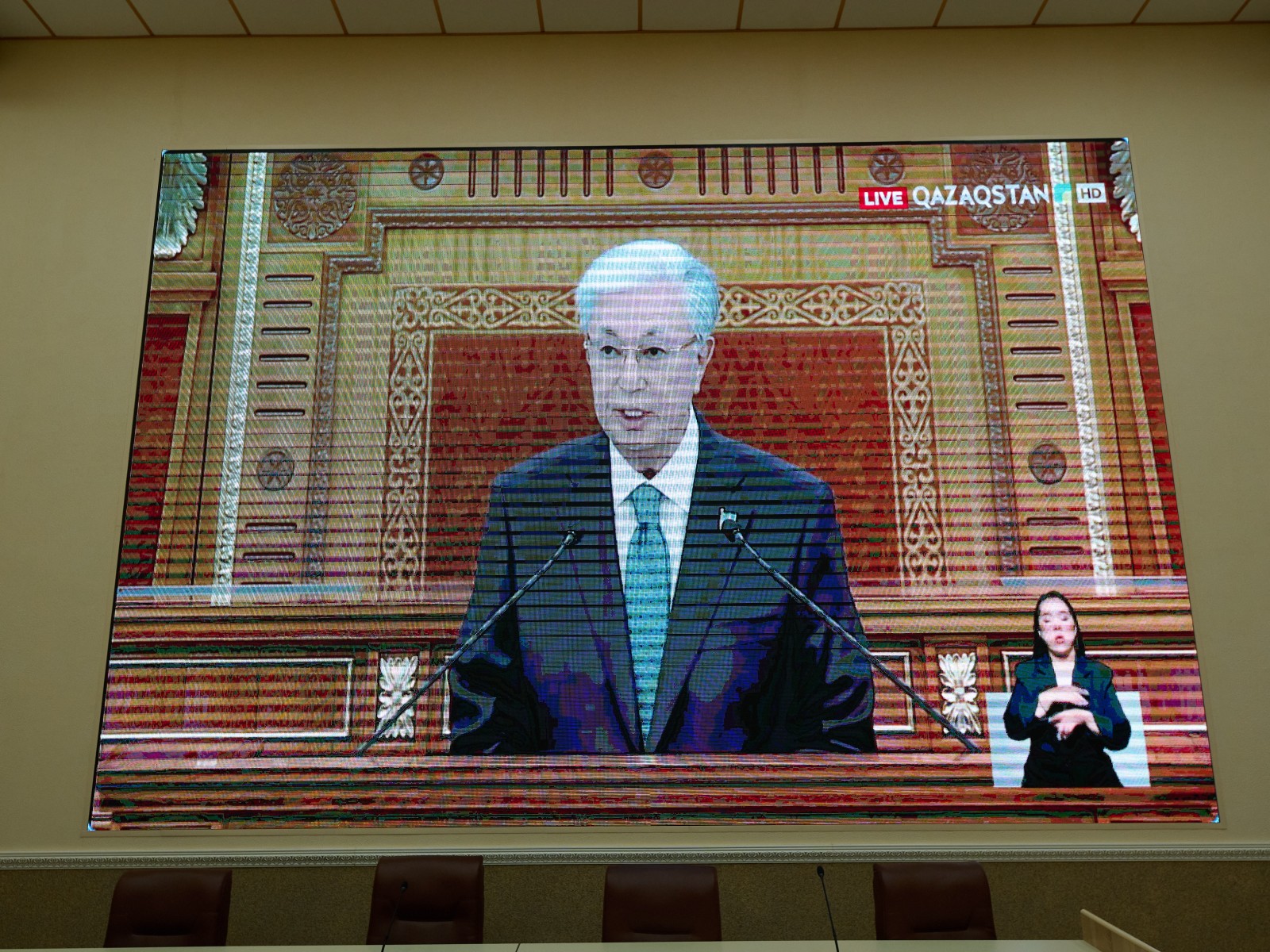
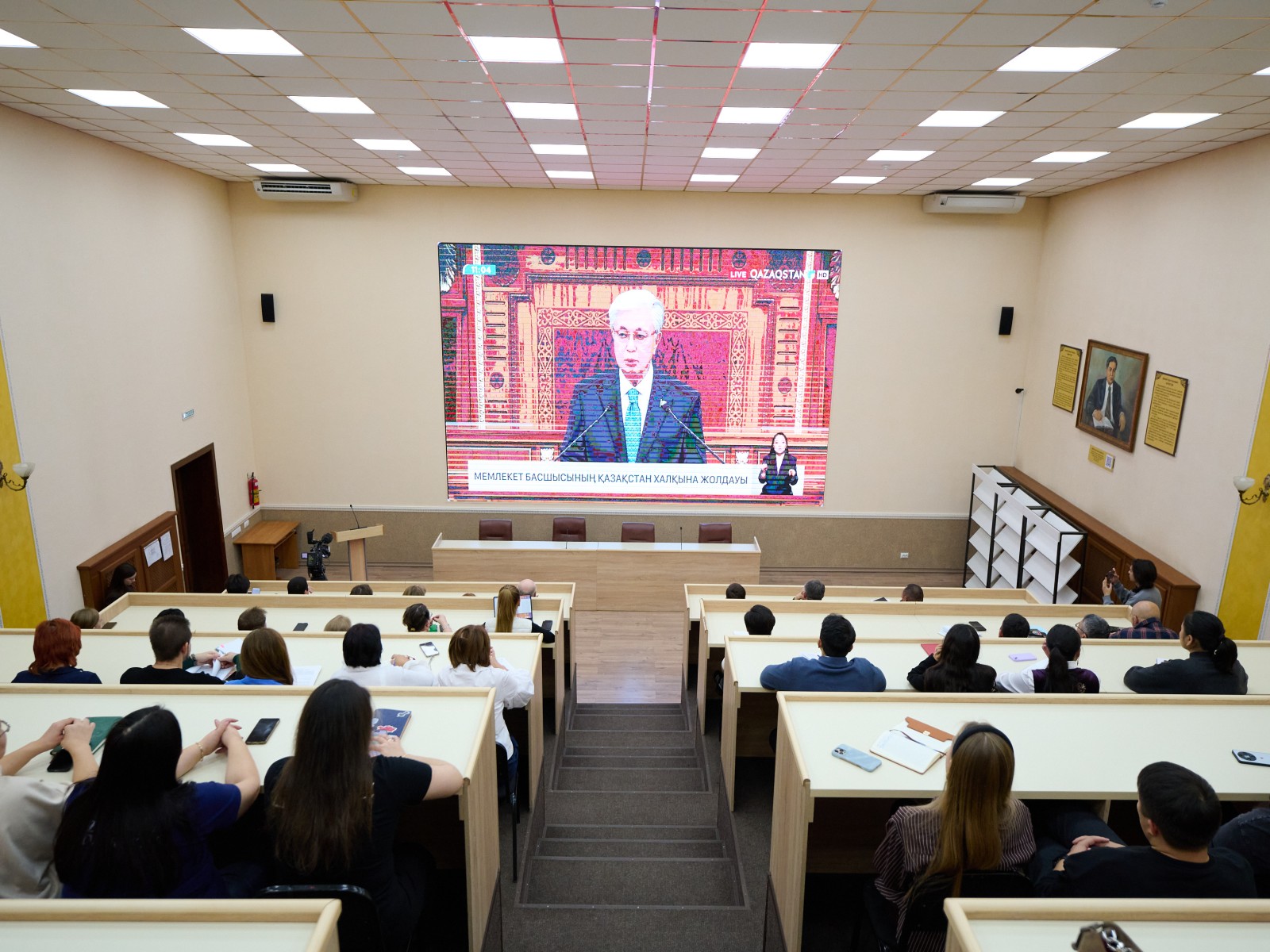
The Address by the President of the Republic of Kazakhstan, Kassym-Jomart Tokayev, to the people of Kazakhstan - titled "Kazakhstan’s Pressing Tasks in a New Historical Cycle" and delivered on October 28, 2026 - outlines the strategic direction for the future development of the nation’s social infrastructure and human potential. For the medical community, the construction and renovation of healthcare facilities, the consideration of regional needs, and the training of qualified physicians are of particular importance.
From the perspective of the Faculty of Medicine at M. Kozybayev North Kazakhstan University, the modernization of the healthcare sector must be accompanied by a consistent improvement in the quality of medical education. The effectiveness of modern clinical facilities depends on professionals capable of applying scientific knowledge, making well-founded decisions, and providing care that respects the dignity of every patient.
In this context, the practical training of students, the refinement of clinical reasoning, and the mastery of professional skills through simulation-based learning take on heightened significance. It is equally important to strengthen the synergy between medical education, scientific research, and clinical practice, while engaging students in research projects that address the actual needs of the regional population.
The emphasis on technological development, as highlighted in the Address, also necessitates the enhancement of digital competencies among future professionals. In medical education, this entails the ability to critically evaluate information, use modern technologies responsibly, and adhere to the principles of evidence-based medicine and patient safety.
Preventive healthcare also deserves special attention. Fostering a responsible attitude toward personal health, improving the public’s medical literacy, and ensuring the timely identification of risk factors must be integral components in the training of future healthcare workers.
We believe that the Faculty of Medicine’s contribution to the development of the healthcare sector lies, above all, in the preparation of competent, ethical, and socially responsible professionals. It is this combination of high-quality education, scientific inquiry, and practical readiness for patient care that lays the foundation for the sustainable development of the regional healthcare system.