Quotation gallery
Having little knowledge is like having your hands tied around your neck like a slave.
From By-Product to High-Tech Raw Material: Kozybayev University and the University of Arizona Advance Sulfur Processing Technologies
In Atyrau, a series of working meetings was held between a delegation from Kozybayev University and the University of Arizona and the leadership of the Atyrau Region, representatives of leading universities, and the industrial sector. The main focus was the development in Kazakhstan of technologies for the deep processing of elemental sulfur, moving from a raw-material-based model toward the production of high-value-added products, including sulfur-polymer materials, plastics, functional materials, and sulfur-containing fertilizers.
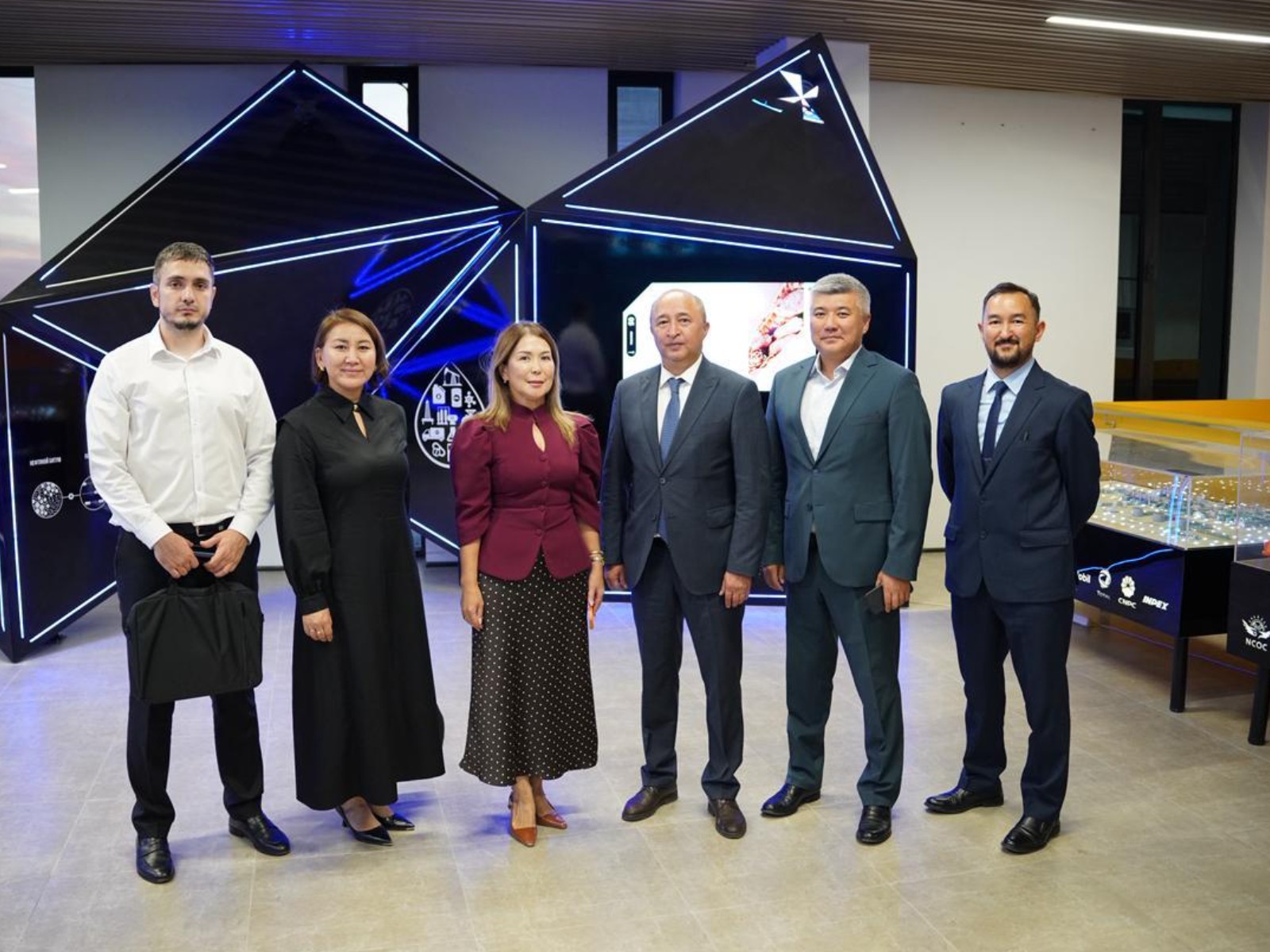
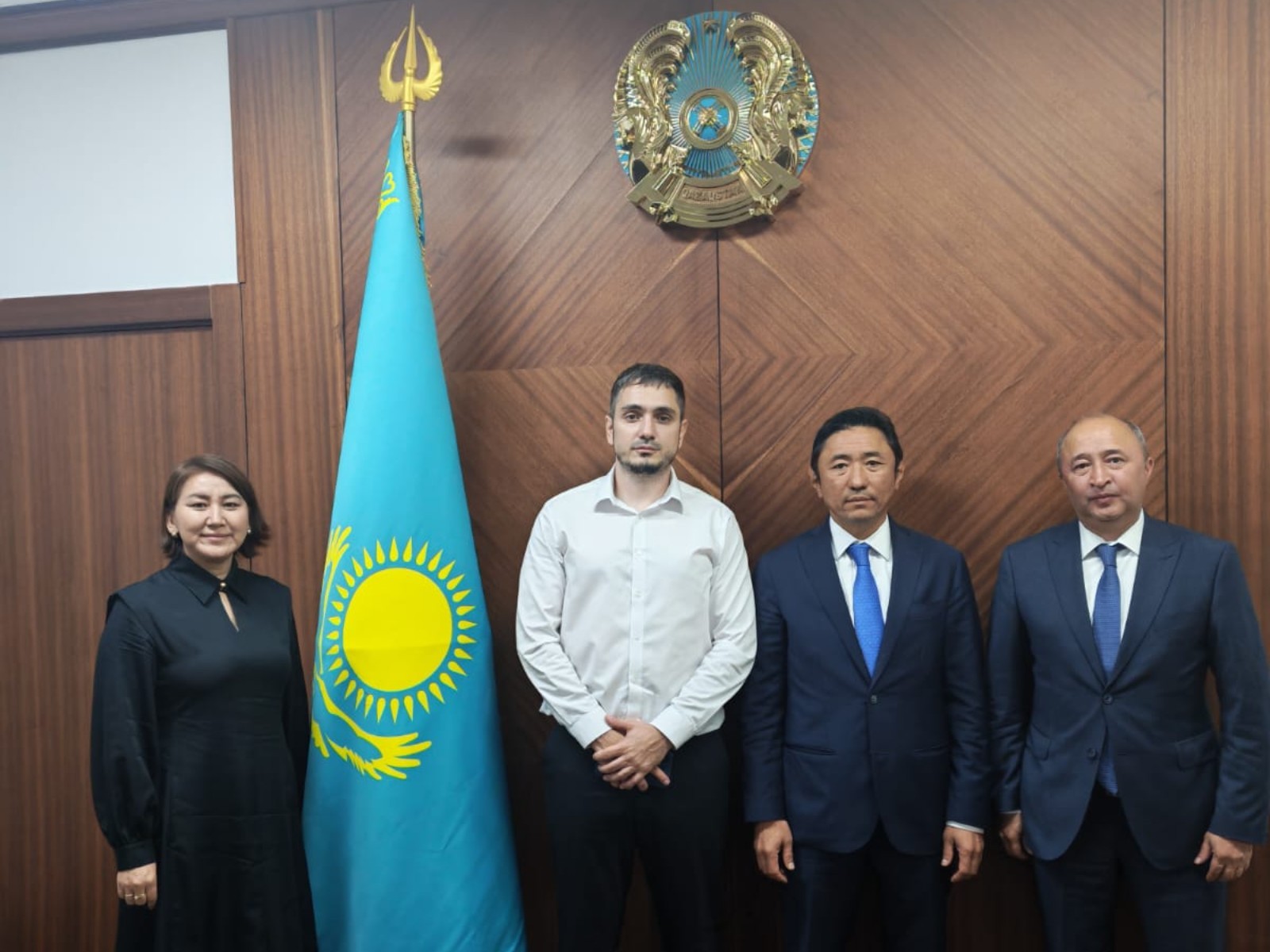
The delegation included Chairman of the Executive Board - Rector of Kozybayev University Yerbol Issakayev, Dean of the Faculty of Agrotechnology Altyn Shayakhmetova, and University of Arizona Professor Shamil Saiyev.
The meeting with Atyrau Region Akim Bolat Akchulakov was attended by representatives of the oil and gas and petrochemical sectors, including NCOC and Tengizchevroil, as well as Askar Ismailov, representative of Fincraft Group; Serik Amangaliyev, Head of Yedil-Oral LLP; and the heads of Safi Utebayev Atyrau University of Oil and Gas, Kh. Dosmukhamedov Atyrau University, and relevant regional departments.
The delegation presented a joint research and technology program for sulfur processing. Particular attention was paid to sulfur-polymer plastics as a potentially new industrial area for the region. This approach makes it possible to transform sulfur from a by-product of the oil and gas industry into a valuable local raw material for manufacturing high-value-added products. Sulfur-containing fertilizers are another area of particular interest. The Atyrau Region has the necessary foundation for developing this area, including significant volumes of sulfur as well as oil and gas and industrial infrastructure. Following the meeting, the regional side expressed interest in further developing the project, including piloting the technologies and subsequently scaling up production.
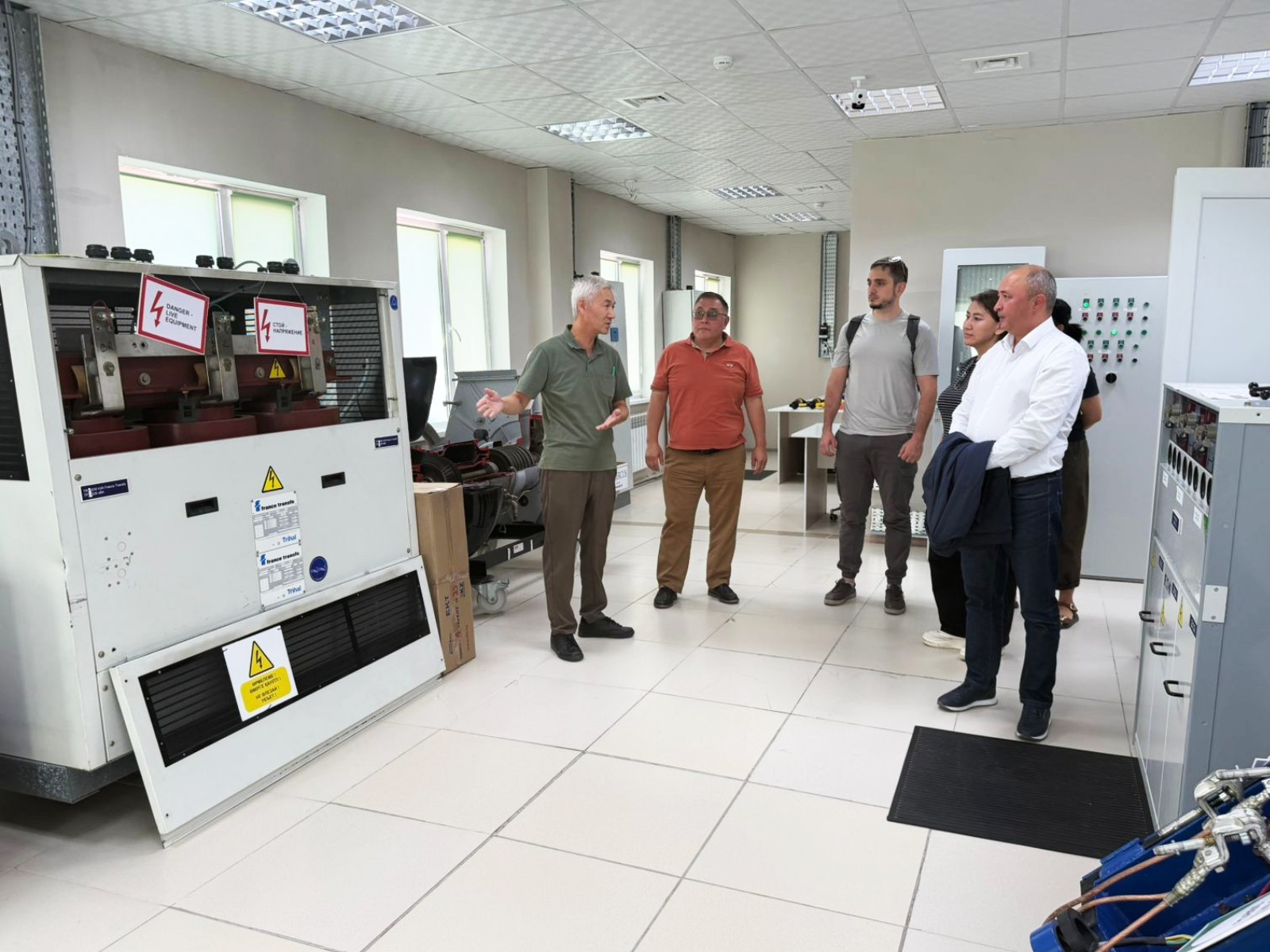
The next meeting was held with the leadership of Safi Utebayev Atyrau University of Oil and Gas. The participants discussed the possible integration of the competencies of three universities to implement sulfur-processing projects directly in the oil and gas-producing region. The proposed approach combines the international scientific expertise of the University of Arizona, the research capabilities of Kozybayev University, and the industry specialization of Atyrau University.
Cooperation with Yedil-Oral LLP was also discussed separately. Company Director Serik Amangaliyev confirmed the company’s readiness to support the development of the project and the possibility of providing a site for a pilot plant and for further development of sulfur-polymer plastics production.
President of the Republic of Kazakhstan Kassym-Jomart Tokayev has previously emphasized the importance of deep sulfur processing. At the Strategic Partners Forum in Astana on October 31, 2025, the Head of State highlighted the potential of the technology developed by Kozybayev University and the University of Arizona to transform sulfur into innovative polymers.
The initiative received support from Minister of Science and Higher Education of the Republic of Kazakhstan Sayasat Nurbek. Particular attention is being paid to moving from research to practical implementation: establishing research infrastructure, developing prototypes, and, in the longer term, launching demonstration-scale production.
Deep sulfur processing opens up opportunities not only for the development of new materials, but also for the growth of the chemical industry, the launch of new manufacturing facilities, job creation, and the commercialization of scientific developments. Bringing accumulated sulfur reserves into economic circulation will make it possible to create additional value within the country while simultaneously reducing the environmental burden.