
Quotation gallery
The knowledge of a trade is worth a handful of gold.
A joint project on the development of innovative seropolymer technologies
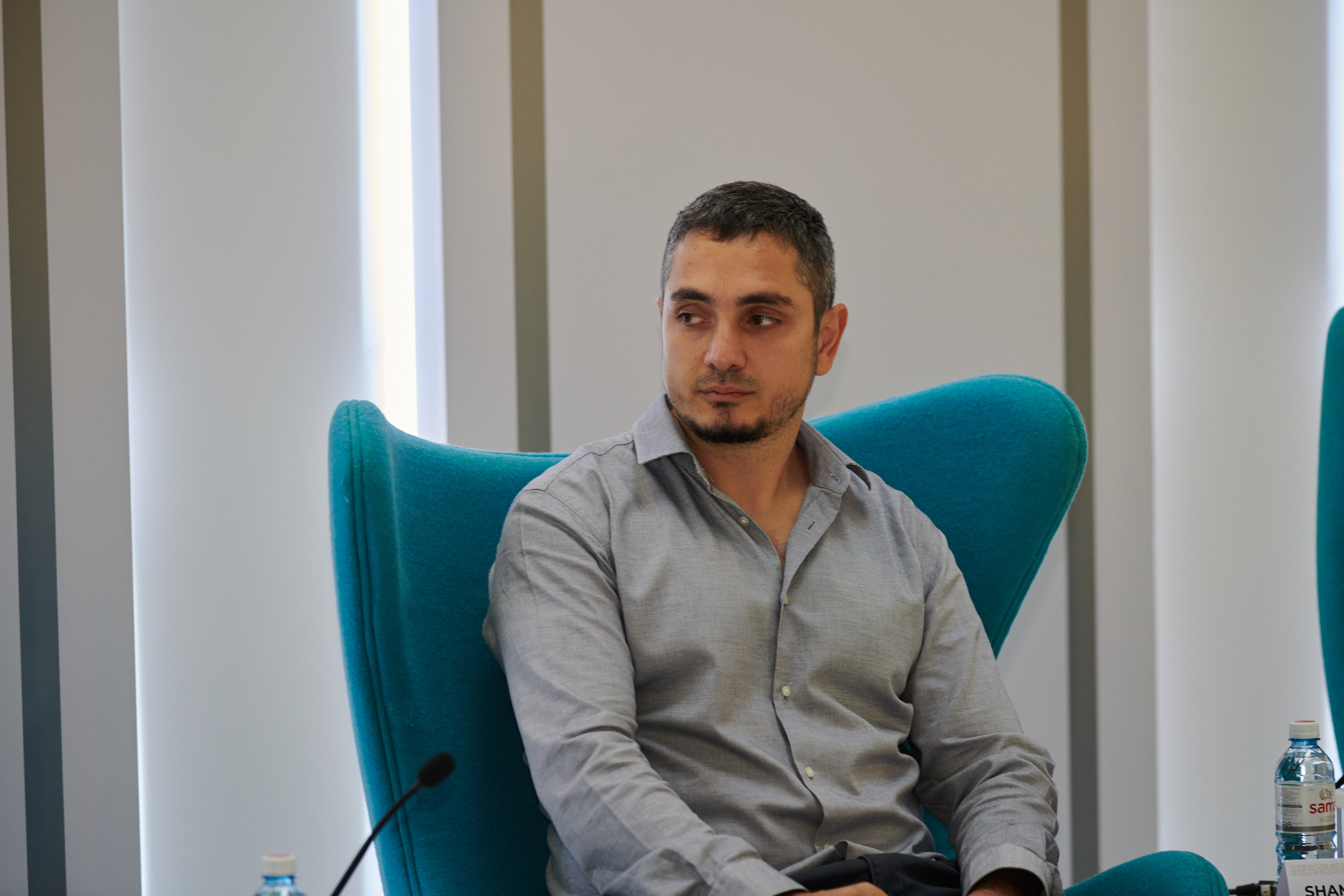
Today, it is a great honor for us to welcome within the walls of Kozybayev University a world-renowned scientist whose research in the fields of advanced materials, nanotechnology, and sulfur processing is applied in energy efficiency, data storage, and the development of sustainable technologies of the future—Professor Jeffrey Pyun of the University of Arizona—and postdoctoral researcher Shamil Saiev.
Professor Pyun is visiting Kazakhstan for the first time. His current visit is connected with a joint project between our universities aimed at implementing sulfur polymer technologies in Kazakhstan. During meetings with the university leadership, researchers, and students, these studies were presented in detail.
Under the leadership of J. Pyun, scientists have developed an advanced inverse vulcanization technology that makes it possible to convert molten sulfur into polymers and high-value products such as infrared lenses, components for lithium–sulfur batteries, anticorrosion coatings, and slow-release fertilizers. The technology is protected by 11 patents, supported by more than 70 scientific publications, and has significant commercial potential.
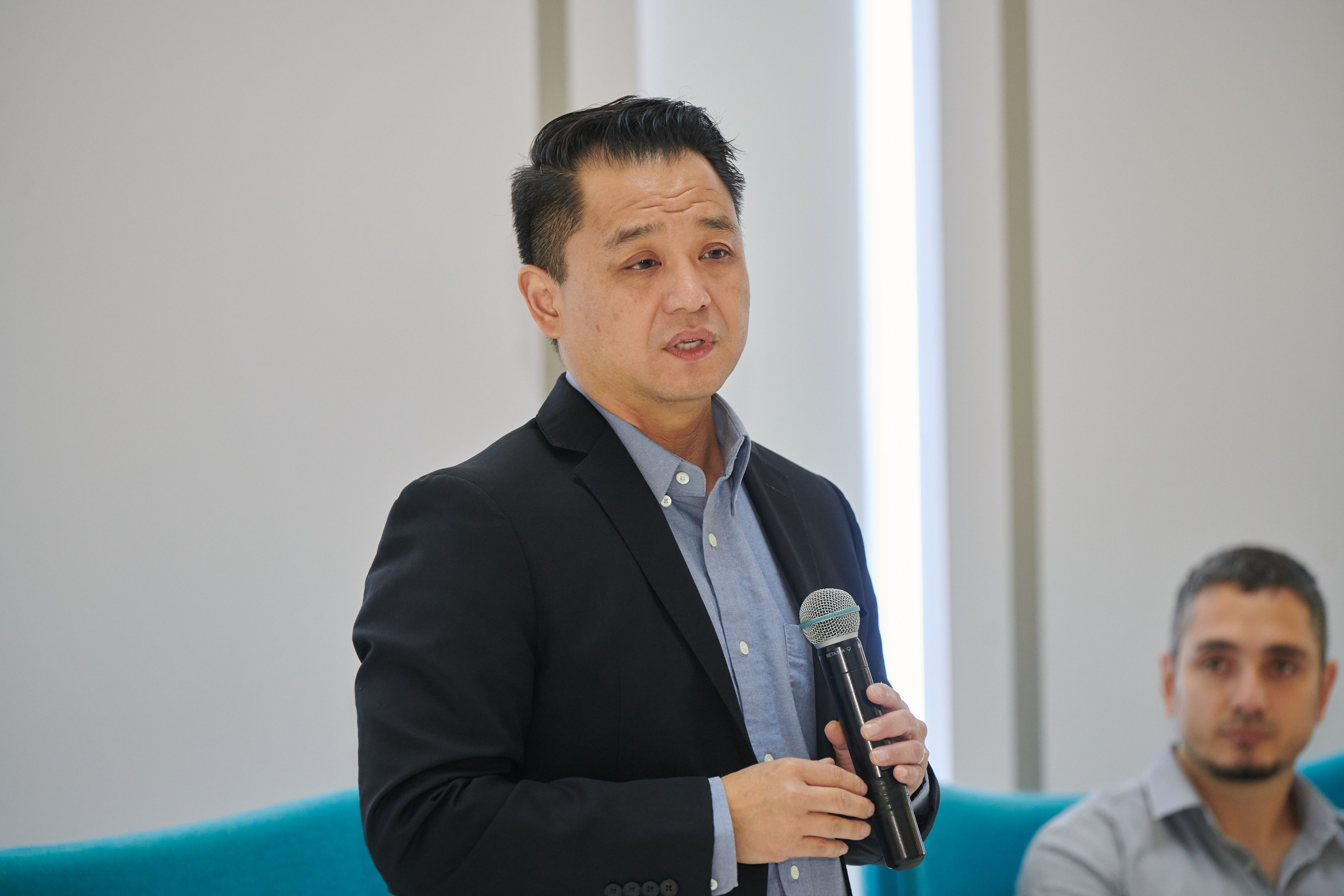
“It is a great honor for me to be here and to collaborate with your scientists. I have been working on these developments for more than 15 years. However, the joint project with Kozybayev University is still at an early stage. For Kazakhstan, it could have major economic significance. Sulfur, which is a by-product of the oil and gas industry, is mostly exported in its raw form. Our project will make it possible to use it in new innovative developments. Sulfur is a relatively inexpensive resource from which plastics or fertilizers can be produced,” shared Professor Jeffrey Pyun.
Today, Kazakhstan ranks 7th in the world in elemental sulfur production, producing about 4.3 million tons per year. At the same time, excessive accumulation of sulfur creates environmental risks, especially given the growth of extraction at oil and gas fields. In this context, the transition from raw material exports to deep processing and the production of innovative sulfur-containing materials with high added value is becoming increasingly important.
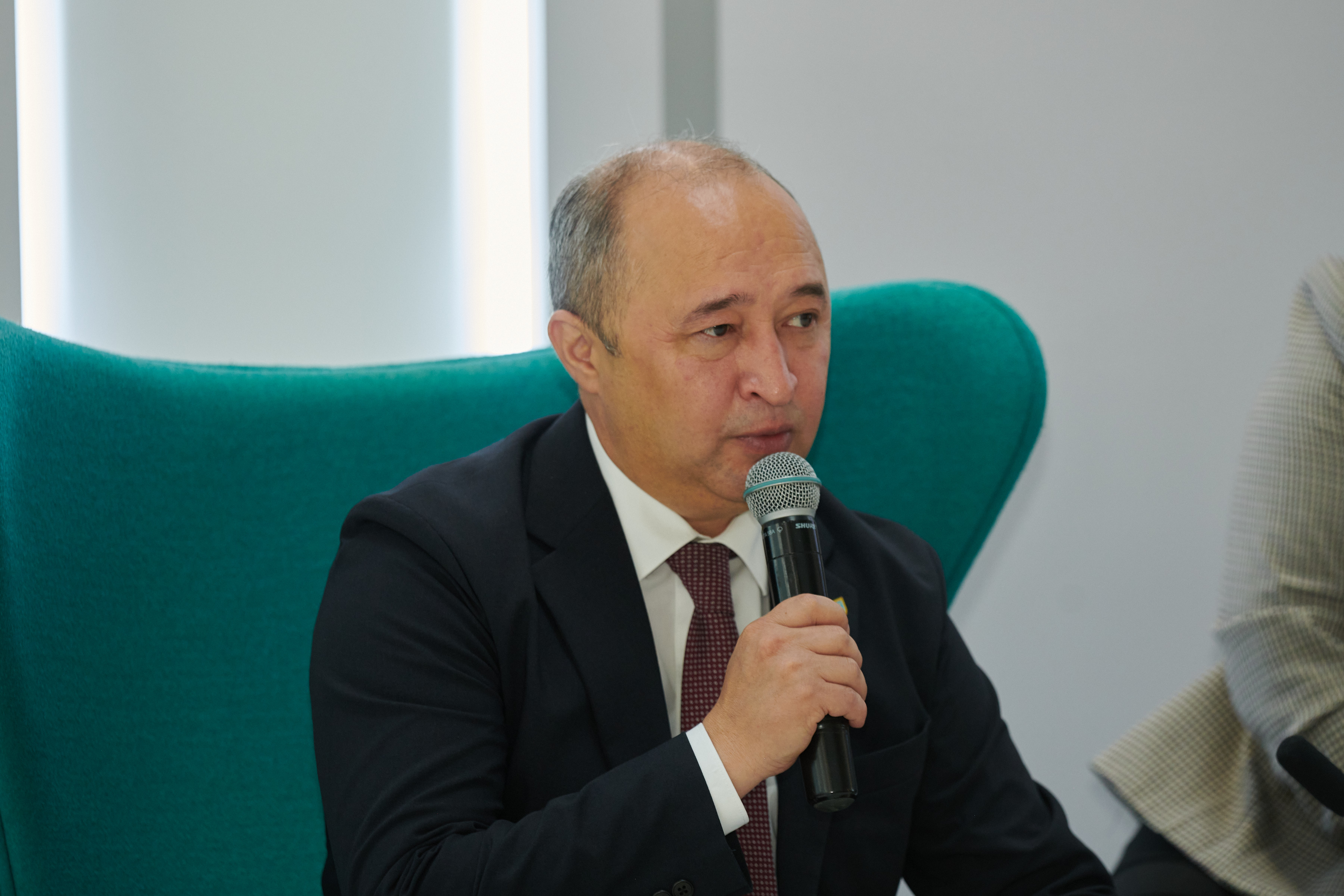
“As part of the strategy of the Ministry of Science and Higher Education of the Republic of Kazakhstan to transform from a regional university into a research university, we were among the first in the country to move from implementing academic programs to launching global research projects. At present, we are jointly developing the technical specification and planning to participate in a competition for a mega-grant from the профильное ministry (approximately 4 billion tenge). This summer, a scientific and technological session on the oil and gas industry was held in Aktau, where 72 projects were submitted for consideration. Only four made it to the shortlist, and one of them was ours—‘Implementation of Sulfur Polymer Technologies in Kazakhstan,’” said Chairman of the Board–Rector Erbol Issakaev.
The project is planned to be implemented in three areas: the production of high-tech plastics from sulfur, the development of innovative fertilizers, and the use of sulfur in extracting residual precious metals from ore. In addition, within the framework of the project, Kozybayev University plans to establish a Research Center for the Study of Elemental Sulfur Properties, open laboratories, purchase equipment, conduct joint research, and train specialists through student and research exchange programs. This will create a foundation for the formation of a scientific and industrial ecosystem.
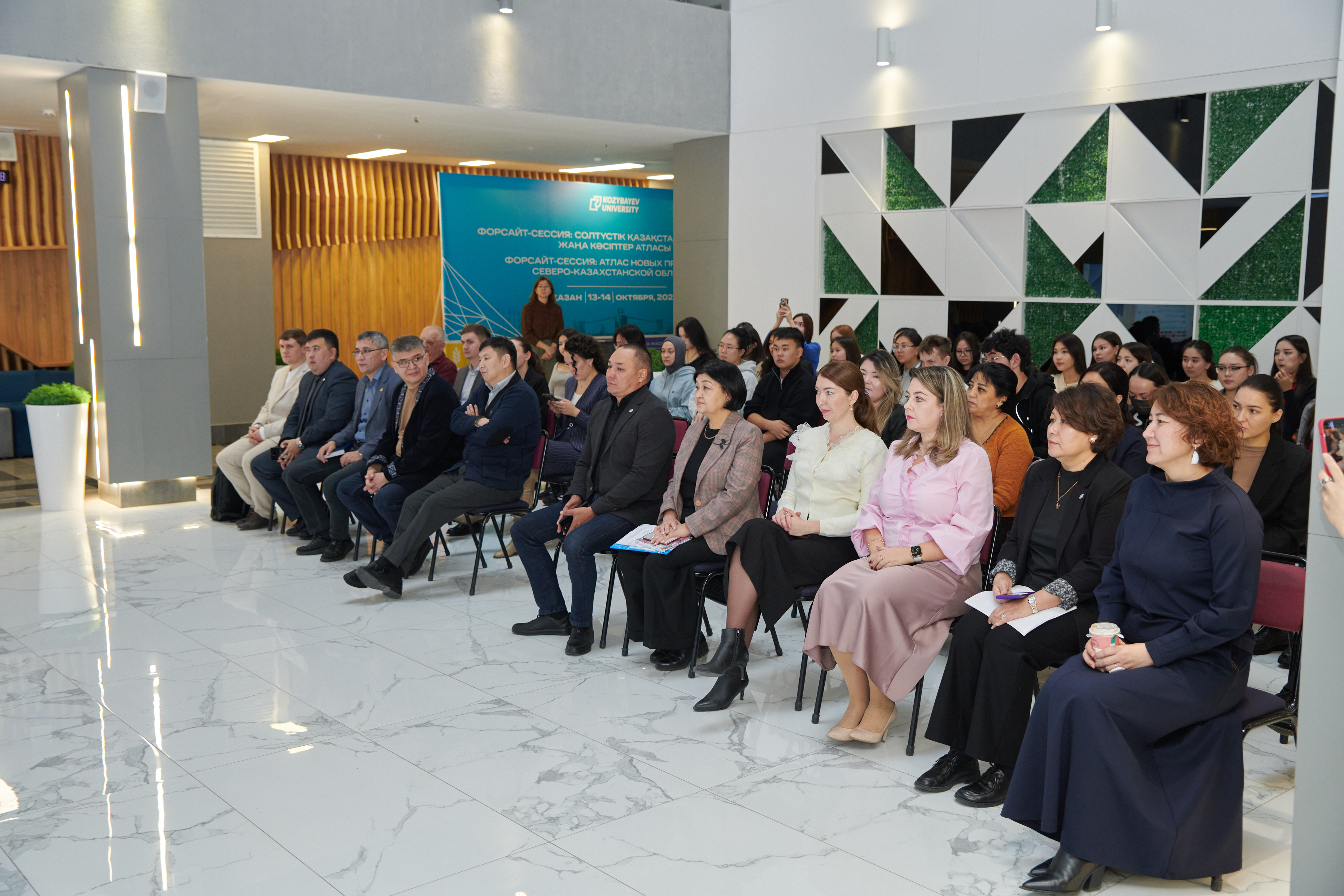
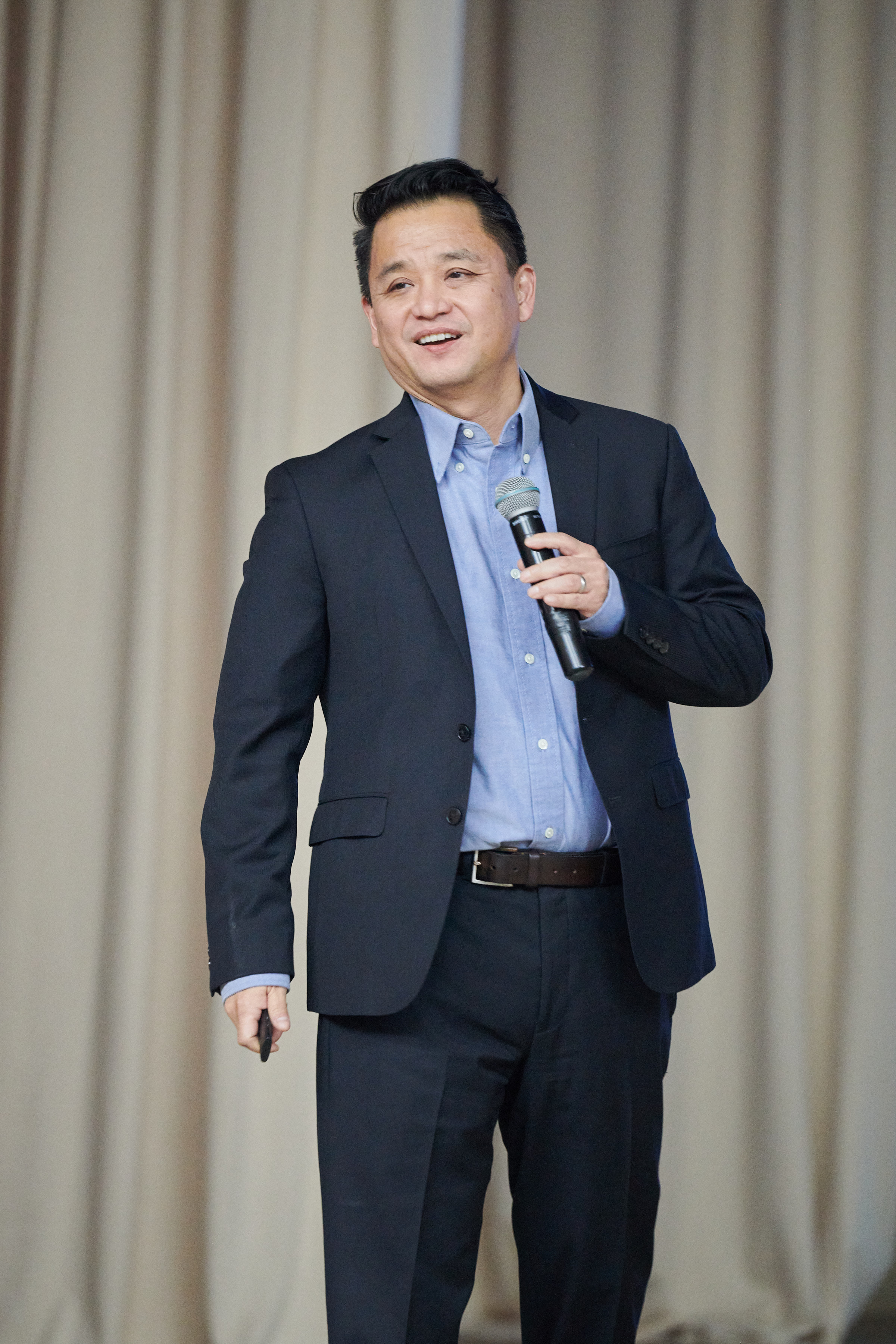
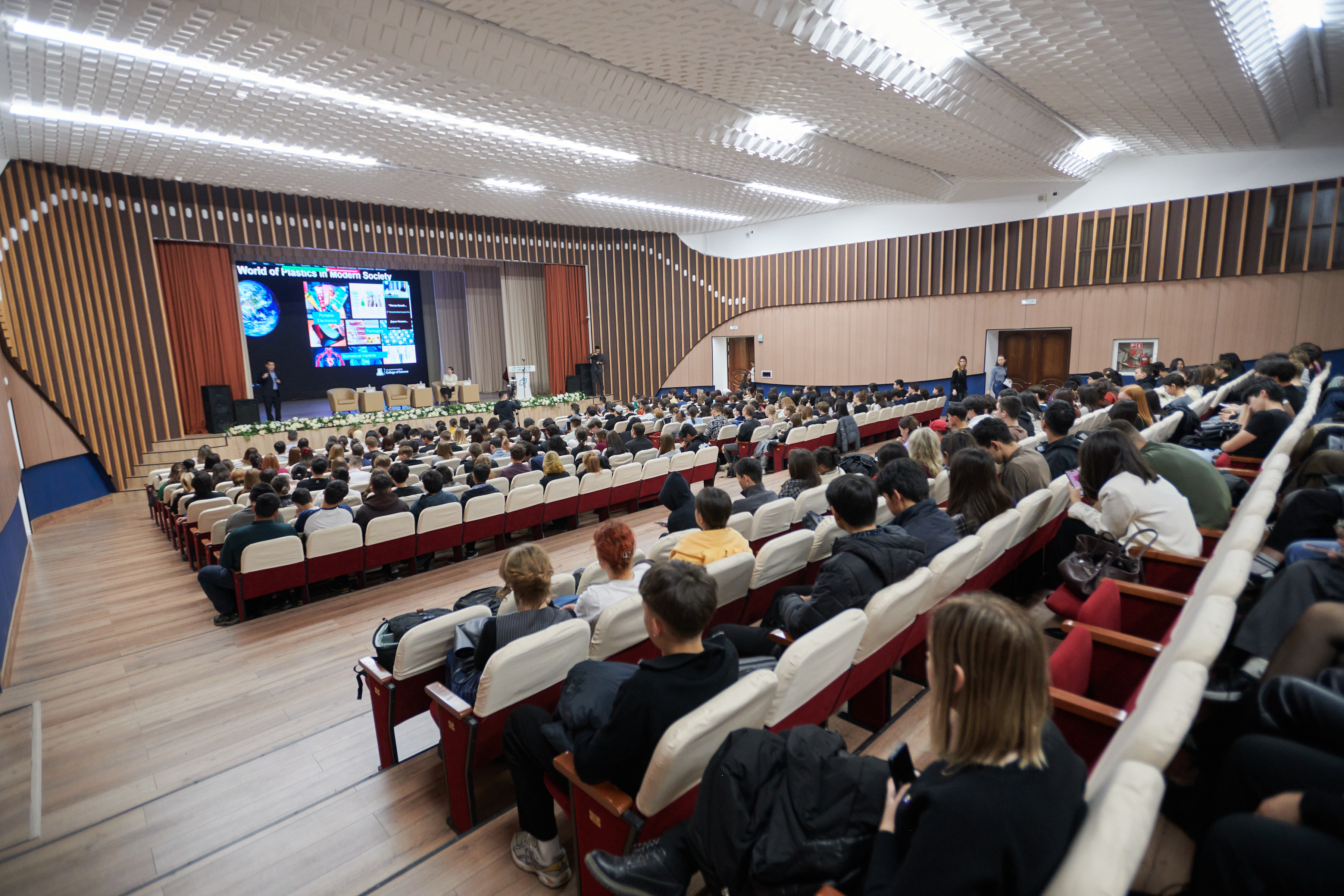
Professor Pyun also delivered a guest lecture for university students. During the lecture, he presented modern approaches to the development of environmentally friendly materials based on recycled sulfur. The discussion focused on the prospects of transitioning from a resource-based economic model to the production of high value-added products. Particular attention was paid to sulfur polymerization technologies and the possibilities of their application in Kazakhstan. In the long term, the use of block sulfur deposits is also being considered in order to improve the environmental condition of Kazakhstan.